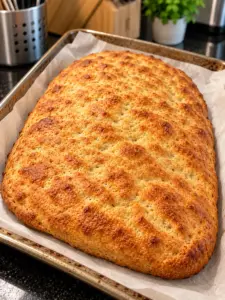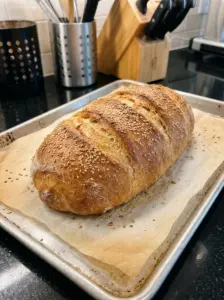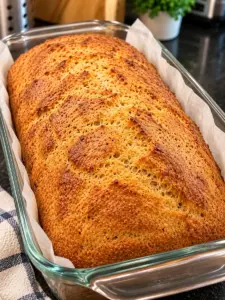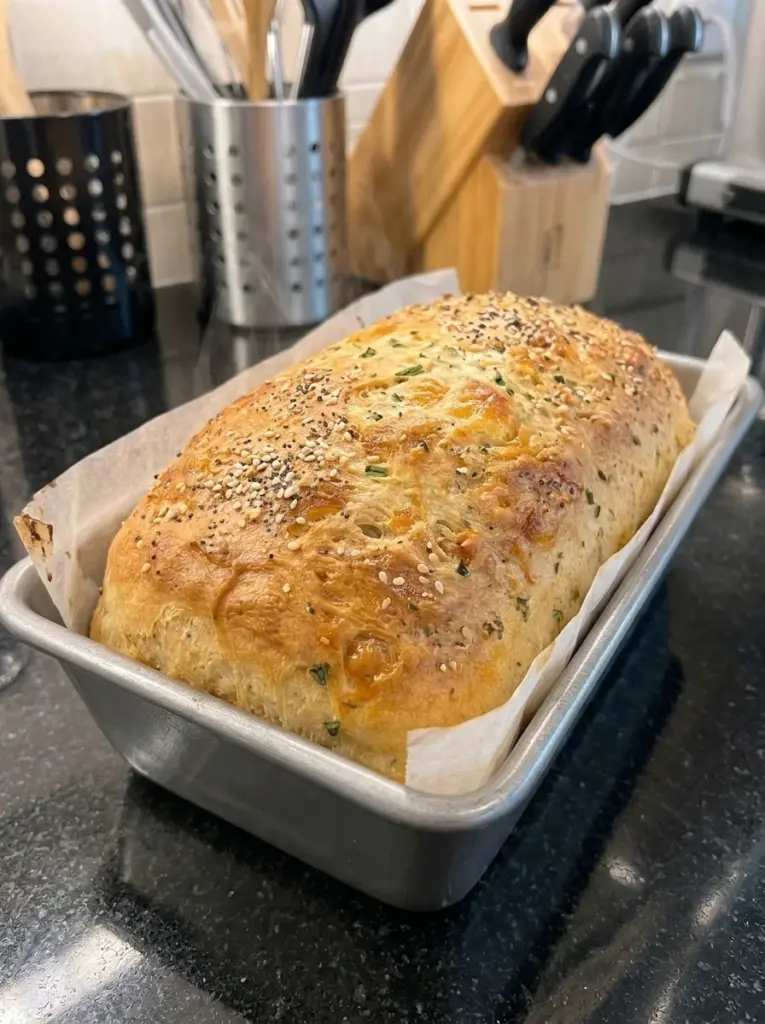
Savory cheddar, garlic, and Italian herbs give this cottage cheese loaf the comforting flavor of cheesy garlic bread in an easy, sliceable form. The outside bakes golden, the center stays tender, and optional seeds add a flavorful finish. Toast a slice for breakfast, serve it with soup, or use it as the base for a simple open-faced sandwich.
The batter comes together without yeast, a long rise, kneading, or boiling. Blended cottage cheese and eggs form the moist base, while flour and baking powder provide structure and lift. It is a convenient small loaf for anyone who enjoys savory baking but wants a straightforward mixing method.
Despite its bagel-inspired name, this is a baking-powder quick bread. Expect a tender, somewhat close crumb rather than the dense chew and glossy crust of a boiled yeast bagel. Garlic powder, cheddar, and optional sesame seeds supply the bagel-shop flavor, and toasting adds crisp edges.
Recipe note: This supplied recipe has not been independently tested. Cottage cheese moisture, flour measurement, cheese texture, and loaf-pan dimensions can affect the batter and baking time. Use the texture and doneness cues below, and allow extra baking time if the center is not set.
Why You’ll Love This Loaf
- No yeast or rising time is required.
- Cottage cheese, eggs, and cheddar contribute protein and savory flavor.
- Blending the wet ingredients helps distribute the cottage cheese evenly.
- The small loaf is easy to slice and freeze in individual portions.
- Toasting makes the edges crisp and brings out the cheddar-herb aroma.
Recipe at a Glance
- Prep time: 10 minutes
- Bake time: Approximately 35–45 minutes, with additional time if needed
- Cooling time: At least 30 minutes; longer cooling makes cleaner slices
- Total time: About 1 hour 15 minutes to 1 hour 25 minutes
- Yield: 1 small loaf
- Servings: 8 slices
- Pan: An 8 × 4-inch metal loaf pan
- Oven: 350°F
Ingredients
For the Bread
- 1 cup cottage cheese
- 2 large eggs
- 1 1/2 cups all-purpose flour, spooned into the cup and leveled
- 2 teaspoons baking powder
- 1 cup freshly shredded sharp cheddar cheese
- 1/2 teaspoon garlic powder
- 1/2 teaspoon onion powder
- 1 teaspoon dried Italian seasoning
- 1/4 teaspoon black pepper
- 1/2 teaspoon salt, or less to taste
- 1 tablespoon chopped fresh chives, optional
Optional Topping
- 1 teaspoon sesame seeds or everything bagel seasoning
Ingredient Notes
Cottage Cheese
Cottage cheese adds moisture and protein to the loaf. Blending it with the eggs removes noticeable curds and helps create a more uniform batter. Small-curd or large-curd cottage cheese can be used because both will be blended.
Cottage cheese brands vary considerably in moisture. Stir the container before measuring, but do not automatically drain away all the liquid: the supplied recipe assumes regular cottage cheese rather than a firmly strained product. If there is a large pool of loose liquid on top, avoid pouring that entire pool into the measuring cup. The goal is a normal, creamy spoonful of cottage cheese, not a watery mixture or dry curds.
Eggs
Two large eggs help bind the batter and give the loaf structure. Use the size listed rather than extra-large eggs, which add more liquid. Blend just until the eggs and cottage cheese are smooth; prolonged blending is unnecessary.
All-Purpose Flour
Flour gives this quick bread enough structure to slice. Spoon it lightly into the measuring cup and level the top. Scooping a cup directly through the flour can pack in more than intended and produce a heavy loaf.
This recipe has not been developed for a flour-free or gluten-free substitution. Almond flour, coconut flour, and oat flour absorb liquid differently and cannot be assumed to work in the same amount.
Baking Powder
Baking powder supplies the lift, so make sure it is fresh. Baking soda is not a direct substitute. Whisk the baking powder thoroughly into the flour so it is evenly distributed before the wet mixture is added.
Sharp Cheddar
Freshly shredded sharp cheddar adds richness, savory flavor, and small pockets of melted cheese. Use about 3.5 ounces for the original recipe’s intended amount. A loosely filled cup can vary in weight depending on shred size, so avoid compressing it firmly.
Sharp cheddar gives more noticeable flavor than mild cheddar. Pre-shredded cheese can work, but freshly shredded cheese generally disperses and melts more readily. Fold the cheese into the mixed batter rather than blending it with the cottage cheese and eggs.
Garlic, Herbs, and Chives
Garlic powder gives the loaf an even garlic flavor without introducing the moisture or texture of fresh garlic. This recipe does not contain roasted garlic, so its flavor is that of seasoned cheddar-herb bread rather than roasted garlic bread.
Italian seasoning adds a blend of dried herbs. If yours contains salt, reduce the added salt accordingly. Fresh chives is optional and gives the crumb little green flecks and a mild fresh note.
Salt and Sesame Seeds
Cottage cheese and cheddar already contain salt. Reduce the listed 1/2 teaspoon if using particularly salty cheese or everything seasoning. Sesame seeds add a bagel-inspired finish; omit them if you prefer a plain cheese crust.
Equipment and Pan Preparation
Use a blender or food processor for the wet ingredients, a mixing bowl, a whisk, a spatula, and an 8 × 4-inch loaf pan. A metal pan provides predictable browning. Glass and ceramic pans may bake differently, so watch the top and center closely.
Line the pan with parchment, leaving enough overhang on the long sides to lift out the loaf. Lightly grease any exposed ends. The batter contains cheese and can stick, so a well-prepared pan makes removal easier.
An instant-read thermometer can help assess the center, though it should be used alongside the toothpick and texture checks. A wire rack lets excess heat and moisture escape after the loaf comes out of the pan.
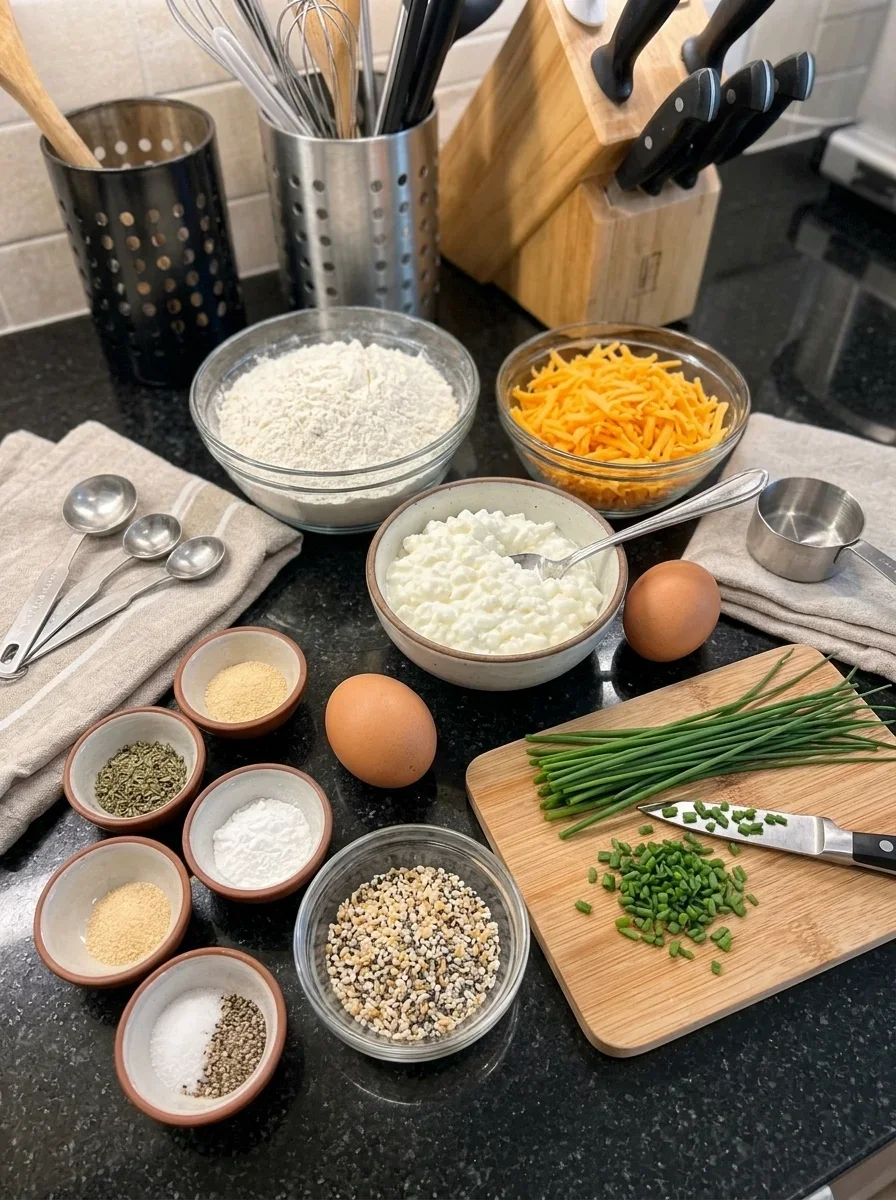
How to Make Cottage Cheese Cheddar Herb Bagel Bread
1. Heat the Oven
Preheat the oven to 350°F. Place a rack near the center and prepare the loaf pan. Let the oven finish preheating before mixing the wet and dry ingredients together so the batter can go in promptly once combined.
2. Blend the Wet Ingredients
Add the cottage cheese and eggs to the blender or food processor. Blend until smooth and creamy, stopping to scrape down the sides if needed. Small specks are fine, but there should not be large curds remaining.
Do not add water or milk simply to make blending easier. Use a spatula to reposition the mixture with the machine switched off, then blend again. Extra liquid could make the loaf difficult to bake through.
3. Mix the Dry Ingredients
In a large bowl, whisk the flour, baking powder, garlic powder, onion powder, Italian seasoning, black pepper, and salt until evenly distributed. Set the shredded cheddar aside to fold in after the wet and dry ingredients have been combined.
4. Combine the Batter
Pour the blended cottage cheese mixture into the dry ingredients. Fold with a spatula until the flour is incorporated and a thick, sticky batter forms. Fold in all the shredded cheddar, followed by the optional chives.
Scrape across the bottom of the bowl to catch hidden dry flour, but stop mixing once the batter is combined. This is a spoonable quick-bread batter, not a dough that needs kneading. It should hold soft mounds rather than pour like pancake batter.
5. Fill the Pan and Add the Topping
Spoon the batter into the prepared pan and spread it into the corners. Smooth the top gently. Sprinkle the loaf with sesame seeds or everything bagel seasoning if desired. If the seasoning contains salt, consider reducing the salt in the batter.
Avoid packing the batter down firmly. A gentle smoothing is enough. The loaf may have a rustic surface, which is normal for this type of quick bread.
6. Bake Until the Center Is Set
Bake for 35–45 minutes, beginning your checks around the earlier end of the range. The surface should be golden, the middle should look set, and a toothpick inserted into the center should come out without wet batter. A few moist crumbs or a trace of melted cheese are different from a coating of raw batter.
If the top browns before the center is ready, cover it loosely with foil and continue baking in short increments. The center may approach about 200°F when baked, but temperature alone does not guarantee a good crumb. Look for a set center and no wet batter as well.
7. Cool Before Slicing
Let the loaf rest in its pan for 10 minutes, then carefully lift it out and transfer to a wire rack. Cool for at least another 20 minutes; cooling more fully will make it easier to slice neatly.
Cutting while very hot can compress the crumb and make it look gummy. Use a serrated knife and gentle sawing motions rather than pressing straight down.
What Texture Should You Expect?
This loaf is closer to a savory cheese quick bread than a traditional bagel. Cottage cheese and cheddar make the interior moist and flavorful, while baking powder gives it a modest rise. The crumb may be close and tender rather than full of large air pockets.
The top should be golden, with little browned cheese flecks. The sides will be softer after storage, but a toaster or skillet can restore some crispness. Toasted slices are particularly useful for open-faced sandwiches because the surface firms up enough to hold toppings.
If you want a tall, chewy yeast loaf, this is a different style of bread. Its main appeal is a quick mix, savory flavor, and the convenience of slicing a small homemade loaf without a rise or boil.
Tips for a Tender Loaf
Measure the Flour Lightly
Too much flour can make the bread dense or crumbly. Spoon and level the flour, and avoid adding extra merely because the batter is sticky. Stickiness is expected in a cottage cheese quick bread.
Blend the Cottage Cheese First
Blending helps distribute the dairy through the flour. It also avoids larger pockets of cottage cheese that could leave wetter spots in the baked loaf. Scrape the blender carefully so the intended wet ingredients make it into the bowl.
Stop Mixing Once Combined
The batter does not need to become elastic or perfectly smooth. Mix until no dry flour remains, then transfer it to the pan. A little unevenness in the batter is preferable to prolonged beating.
Watch the Top as It Bakes
Exposed cheddar can brown before a moist center is done. A loose foil tent protects the surface while the loaf finishes baking. Do not remove the bread solely because the surface has reached a deep golden color.
Give It Time to Cool
Cooling allows moisture to redistribute and the crumb to firm. If the first slice seems fragile, leave the loaf longer before cutting the rest. For clean meal-prep slices, cool completely.
Serving Ideas
Toast a slice and spread it lightly with butter or cream cheese for a savory breakfast. Add a cooked egg or sliced tomato to make it more substantial. A small portion of avocado also pairs nicely with the garlic and cheddar.
For lunch, use two thin toasted slices with turkey, roasted vegetables, or a little mozzarella. The crumb is more delicate than a sturdy yeast bread, so avoid overloading it with wet fillings. Open-faced sandwiches are an especially good option.
At dinner, serve it beside tomato soup, vegetable stew, chicken soup, or a green salad. For a garlic-bread-style side, toast the slices, brush lightly with melted butter, and sprinkle with chives. The bread already contains garlic and cheddar, so taste before adding extra seasoning.
Flavor Variations
Rosemary Cheddar
Add 1/2 teaspoon dried rosemary to the dry ingredients, crushing it lightly first. Rosemary can be assertive, so begin with a small amount. It works well with the existing garlic and Italian seasoning.
A Little Heat
Add a pinch of crushed red pepper flakes to the batter or sprinkle them over a toasted slice. This gives a gentle contrast to the savory cheese without changing the basic recipe.
Everything-Style Topping
Replace the sesame seeds with a small amount of everything bagel seasoning. Many blends contain salt, so reduce or omit the added salt in the batter if needed. Check the seasoning ingredients for allergens.
Fresh Herb Finish
Fold the optional chives into the batter for a mild onion flavor. Sprinkle a little more over a buttered, toasted slice just before serving for a fresh finish.
Toasted Garlic Bread Slices
Bake and cool the loaf as directed. Slice, toast, and brush individual portions with a little garlic butter just before serving. This is an easy way to intensify the garlic flavor without changing the batter’s moisture balance.
Storage, Freezing, and Reheating
Refrigerator: After cooling, wrap the loaf or place the slices in an airtight container and refrigerate for up to 4 days. For this moist recipe, prompt refrigeration is a conservative storage approach. Do not leave the loaf out for hours while waiting for it to cool completely.
Freezer: Freeze cooled slices in a freezer-safe bag for up to 2 months for best quality. Separate with parchment so you can remove a slice at a time. Press out excess air before sealing.
Reheating: Toast refrigerated slices until warm and lightly crisp. Thin frozen slices may be toasted directly from frozen; thicker slices are easier to thaw in the refrigerator first. A short warm-up in the microwave gives a softer result, but too much heating can make the bread rubbery.
Meal prep: Cool the loaf, divide into eight slices, and keep a few refrigerated while freezing the remainder. Add spreads or sandwich fillings when serving rather than storing fully assembled portions.
Troubleshooting
Why Is My Bread Dense?
A close crumb is normal for this quick bread, but heaviness can also come from packed flour, old baking powder, or excessive mixing. Measure flour lightly, check the leavening date, and stop folding once the batter comes together.
Why Is the Middle Gummy?
The loaf may need more baking or more cooling. Tent the top if necessary and continue until the center is set and the toothpick has no wet batter. Let the bread cool before slicing. An unusually watery cottage cheese can also make the middle slower to bake.
Why Did the Top Brown So Quickly?
Exposed cheddar can color quickly, especially near an upper heating element. Bake on a center rack and tent loosely with foil once the surface is golden. Check the actual center before removing the loaf.
Why Did My Loaf Crumble When Sliced?
It may have been cut too warm or measured with too much flour. Cool longer, use a serrated knife, and cut with gentle strokes. Very thick sandwich fillings can also break delicate quick-bread slices.
Why Is the Batter So Thick?
The supplied formula produces a thick, sticky batter. Scrape it into the pan and smooth it rather than trying to pour it. If it is dry and crumbly, recheck the flour measurement and make sure all the blended wet mixture was transferred.
Frequently Asked Questions
Does It Taste Like Cottage Cheese?
The cheddar, garlic, and herbs are the strongest flavors. Blending removes the curd texture, but there may still be a mild dairy tang. The exact flavor depends on the cottage cheese used.
Is This Actually a Bagel?
No. It is a savory quick bread with bagel-inspired seasonings. It is not boiled and contains no yeast, so it does not have a traditional bagel’s dense chew.
Can I Use Low-Fat Cottage Cheese?
Yes, though moisture differs between brands and fat levels. Use regular, creamy cottage cheese rather than a very watery product, and check the loaf’s center carefully before finishing the bake.
Can I Use Pre-Shredded Cheddar?
You can, but its texture and packed volume may differ from freshly shredded cheese. Freshly shredded cheese is easy to fold through the batter. Use approximately 3.5 ounces rather than tightly compressing the measuring cup.
Can I Make It Without Eggs?
The eggs contribute binding and structure. An egg-free replacement has not been developed for this recipe, so a direct substitution may change the loaf substantially.
Is It Low Carb?
It contains all-purpose flour and is not inherently a low-carb bread. Cottage cheese and cheddar add protein, but they do not remove the carbohydrates supplied by the flour.
How Much Protein Is in a Slice?
Depending on the dairy brands and actual cheese quantity, an eighth of the loaf may provide roughly 9–11 grams of protein. Calories may be around 180–210 per slice, before spreads or sandwich fillings. These are approximate ingredient-based ranges, not verified nutrition data. Use your exact product labels and divide the full batch by eight for a more useful estimate.
Print
High-Protein Cottage Cheese Cheddar Herb Bagel Bread
Description
Prep time: 10 minutes
Bake time: 35–45 minutes, or until fully baked
Cooling time: At least 30 minutes
Yield: 1 small loaf, cut into 8 slices
Ingredients
Bread
- 1 cup cottage cheese
- 2 large eggs
- 1 1/2 cups all-purpose flour, spooned and leveled
- 2 teaspoons baking powder
- 1 cup freshly shredded sharp cheddar cheese, about 3.5 ounces
- 1/2 teaspoon garlic powder
- 1/2 teaspoon onion powder
- 1 teaspoon dried Italian seasoning
- 1/4 teaspoon black pepper
- 1/2 teaspoon salt, or less to taste
- 1 tablespoon chopped chives, optional
Optional topping
- 1 teaspoon sesame seeds or everything bagel seasoning
Instructions
- Preheat the oven to 350°F. Line an 8 × 4-inch loaf pan with parchment and grease the exposed ends.
- Blend the cottage cheese and eggs until smooth.
- Whisk the flour, baking powder, garlic powder, onion powder, Italian seasoning, pepper, and salt in a large bowl.
- Fold in the blended mixture until no dry flour remains. Fold in the cheddar and optional chives. The batter will be thick and sticky; do not knead.
- Transfer to the pan and smooth gently. Sprinkle with optional sesame seeds or everything bagel seasoning.
- Bake for 35–45 minutes, or longer if needed, until the center is set and a toothpick comes out without wet batter. Tent with foil if the top browns early.
- Cool in the pan for 10 minutes, then transfer to a rack for at least 20 more minutes before slicing.
Storage: Refrigerate cooled bread in an airtight container for up to 4 days or freeze separated slices for up to 2 months. Toast to serve.