Introduction
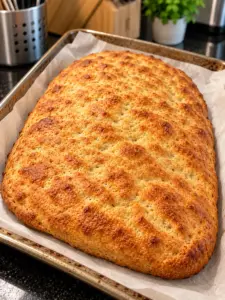
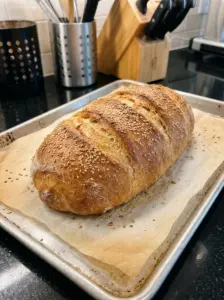
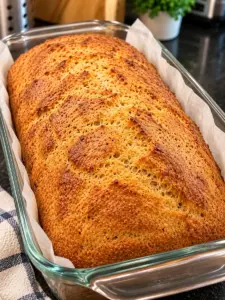
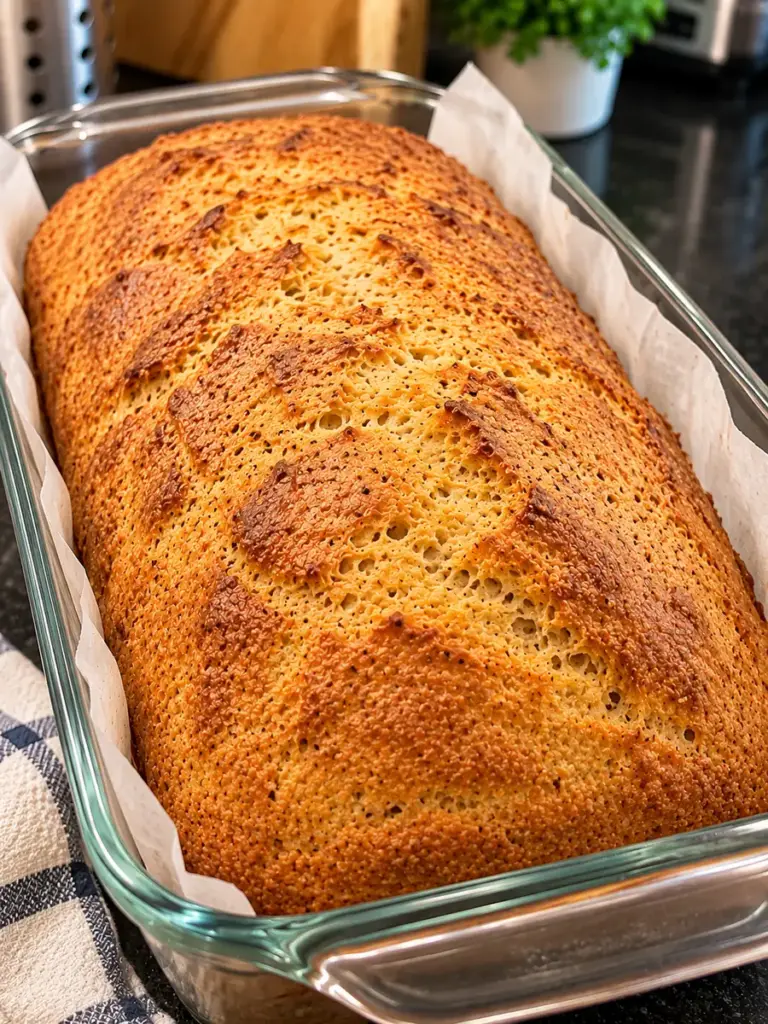
3-Ingredient High-Protein Chickpea & White Bean Bread brings two familiar pantry beans together in a compact, savory loaf. Chickpeas give it substance, white beans make the puree smoother, and eggs hold everything together as it bakes. Expect a moist, close texture, a lightly browned top, and modest height. This is a bean loaf with a breadlike serving shape, suited to small slices and careful handling.
The high-protein claim in the requested title has not been verified and requires human nutritional review. Beans and eggs supply protein, but no numerical nutrition claim is made here.
Makes 8 servings, each one slice. Allow about 2 hours 20 minutes using the longer baking estimate, including 20 minutes of active preparation and 60 minutes of cooling. Oven preheating overlaps preparation; actual doneness can extend the schedule.
Why You’ll Love This Recipe
The ingredient list stays manageable: two separately measured beans and eggs. Nothing needs dissolving, blooming, kneading, or feeding, which keeps the preparation approachable even when breadmaking is unfamiliar.
A food processor does the main mixing work. Scraping its bowl gives you a chance to check the puree before it reaches the pan and correct any overlooked whole beans.
The compact loaf makes eight practical portions. Its low profile also means you can inspect the center without trying to judge a tall loaf by its crust alone.
The mild bean flavor works for breakfast, lunch, or a small savory snack. Once chilled, individual slices are convenient to portion and reheat without warming the entire loaf.
Ingredients
Choose plain commercially canned beans with only beans and water on their labels. Both varieties must be fully cooked. Cannellini beans are white kidney beans; use the commercially canned version specified here.
Bean quantities refer to drained edible weight. Packing-liquid amounts vary, so buy enough to measure each variety separately. A scale helps avoid differences between loosely and tightly packed cups.
Weigh large eggs without their shells. Parchment provides the pan’s release surface without becoming an edible ingredient.
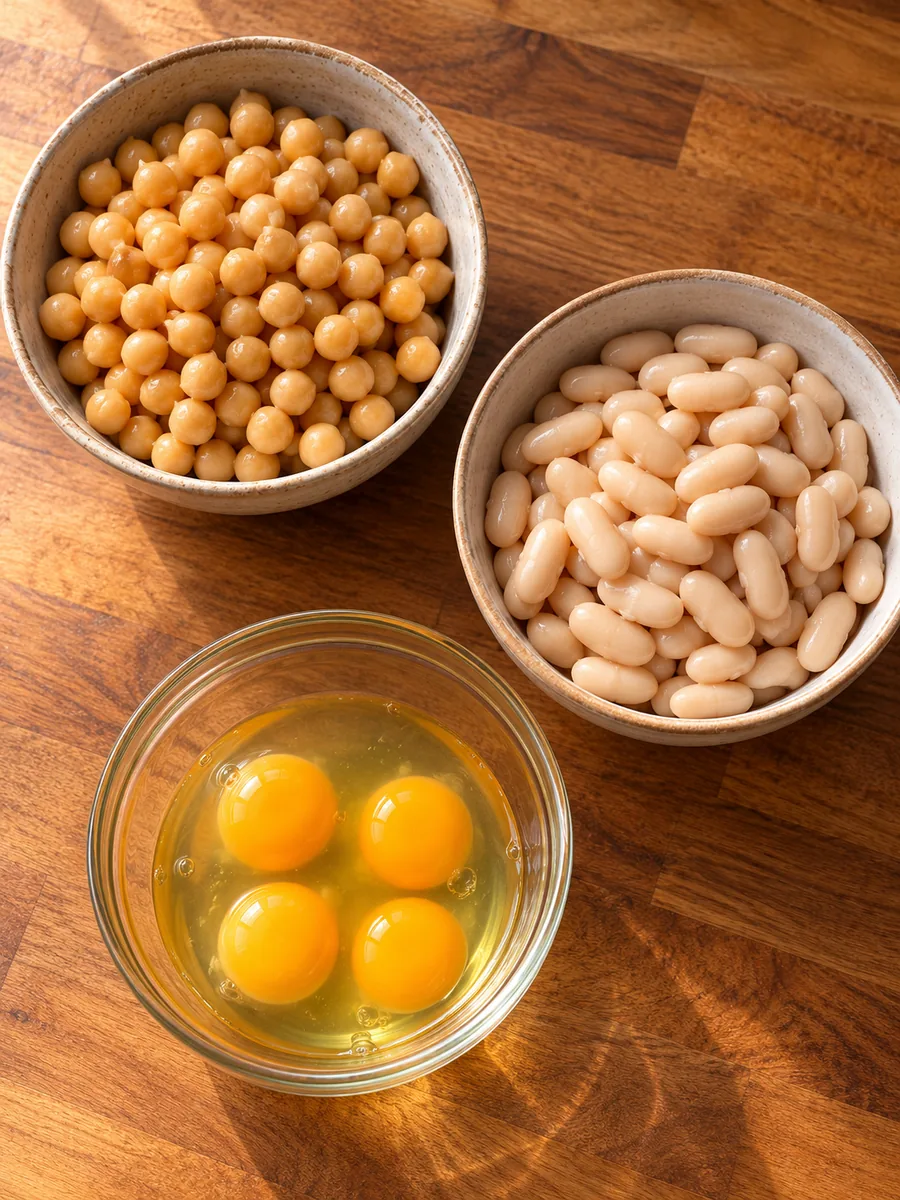
- 1 1/2 cups plain commercially canned unsalted chickpeas, rinsed and thoroughly drained (240 g)
- 1 1/2 cups plain commercially canned unsalted cannellini beans, rinsed and thoroughly drained (240 g)
- 4 large eggs, shells removed (200 g)
Ingredient Notes and Substitutions
Chickpeas provide the firmer part of the puree. Their skins may leave fine flecks even after processing, which is acceptable. Large pieces create weak spots, however, so scrape the processor bowl thoroughly before deciding the mixture is ready.
Cannellini beans mash readily and help the batter spread evenly. Plain commercially canned great northern beans are a cautious alternative at the same drained weight, but differences in moisture can change firmness and baking time. Keep the original cannellini version for the clearest starting point.
The eggs are the sole added binder. Their setting action is essential because this formula contains no wheat structure. Reducing their quantity or omitting them would require a different recipe, and an equivalent replacement is not established here.
Draining is more useful than trying to compensate later. Let rinse water fall away, then blot the beans until their surfaces stop looking wet. Do not squeeze them into a dry paste; the goal is removing exterior water while retaining their natural moisture.
How to Make 3-Ingredient High-Protein Chickpea & White Bean Bread
- Heat the oven to 375°F with a rack in the middle. Line an 8 1/2-by-4 1/2-inch metal loaf pan with parchment rated for this temperature, covering the bottom and sides and leaving lifting tabs. Keep the paper away from heating elements. This small loaf will sit relatively low in the pan.
- Measure 240 g chickpeas and 240 g cannellini beans after rinsing and draining. Spread them on a clean kitchen towel and blot away visible surface moisture without crushing them. Transfer both beans to a food processor. Process until finely mashed, stopping to scrape the bowl so that whole beans do not remain around the blade.
- Add the 4 eggs, totaling 200 g without shells. Process until the mixture becomes a thick, mostly smooth puree, scraping the bowl as needed. Small flecks of chickpea skin are fine; large bean pieces are not. The batter should fall from a spatula in heavy dollops and spread when nudged. Do not taste raw batter. Wash hands and food-contact equipment after handling raw eggs.
- Scrape the batter into the lined pan and spread it evenly into the corners. Smooth the top with the spatula, then tap the pan gently on the counter to release large trapped pockets. Transfer directly to the oven; this batter requires no resting or proofing.
- Bake for 60 minutes at 375°F, checking at 50 minutes. The top should look dry and lightly browned, and the center should feel set rather than ripple. Check the center with an instant-read thermometer: it must reach at least 165°F. If the center remains loose or falls below that temperature, continue baking until both conditions are met.
- Cool for 60 minutes total before slicing into 8 portions. Leave the loaf in its pan for the first quarter of this period, then lift it out, peel away the parchment, and finish cooling on a wire rack. Refrigerate promptly afterward. In surroundings above 90°F, finish cooling in the refrigerator to meet the shorter food-safety deadline described under Storage and Freezing.
Expert Baking Tips
Weigh each bean separately after draining. An equal combined weight does not preserve the formula if one variety dominates; the two beans contribute different textures to the puree.
Use a food processor with enough room for the mixture to circulate. Stop and scrape rather than letting the blade spin beneath a stationary mound of beans.
Inspect the batter on a spatula before filling the pan. Heavy dollops are appropriate. A freely pouring mixture suggests excess exterior water or an incorrect ingredient measurement.
Cover the pan bottom and sides with parchment. Bare corners can hold onto this moist mixture, making removal harder even when the loaf has cooked through.
Place the thermometer tip in the center without touching the metal pan. A reading near an edge can miss a cooler middle, especially while the outer portion is already firm.
Let the loaf complete its cooling period before cutting. Use a thin, sharp knife and wipe it between slices; dragging accumulated puree through the crumb can make otherwise intact portions crumble.
Common Mistakes to Avoid
Treating the mixture like yeast dough leads to unnecessary handling. It has no fermentation stage, and leaving it on the counter will not build volume. Once the pan is filled, it should go into the heated oven.
Using beans straight from their packing liquid changes the balance substantially. Even rinsed beans can carry considerable surface water. Drain and blot before weighing the final portions so the puree starts with the intended consistency.
Judging doneness only by browning can leave the middle undercooked. The top receives direct oven heat while the moist center warms more slowly. Check both the center temperature and whether the middle still ripples.
Slicing immediately releases steam but also interrupts setting. The warm interior may smear and compress under the knife. Follow the cooling schedule, then refrigerate promptly rather than leaving the loaf out to dry overnight.
Variations and Serving Ideas
For smaller portions, cut the cooled loaf into 16 narrow slices and serve two per person. Support each slice underneath while moving it, since narrow pieces are more delicate than the eight standard portions.
For a different presentation, cut fully cooled slices into short rectangular fingers. Arrange them in a single layer for reheating, keeping enough space between pieces for heat to reach their surfaces.
Serve freshly cooled slices when you want a softer interior, or chilled slices when you prefer a firmer bite. Reheating in the oven can dry the outside slightly, but watch closely because thin edges lose moisture faster than the center.
Storage and Freezing
Refrigerate this moist bean-and-egg loaf within 2 hours of baking, or within 1 hour if the surrounding temperature is above 90°F. Keep the refrigerator at 40°F or below. In hot conditions, move the loaf into refrigeration before the full rack-cooling period ends.
Store cooled portions in a covered shallow container and use within 3–4 days. Separating slices makes it easier to remove only what you need and avoids repeated warming of the whole loaf.
For longer storage, freeze individual cooled slices with parchment between them, then seal in a freezer-safe container. Use within about 2 months for best quality. Thaw in the refrigerator and reheat leftovers to 165°F in the center before serving.
Frequently Asked Questions
Will this rise like sandwich bread?
Expect little rise and a compact profile. Eggs bind the puree, but the formula has no leavener or developed gluten structure to produce a tall, airy loaf.
Can I use a blender?
A powerful blender may work, but this thick mixture can stall. Stop to scrape safely with the machine off; do not add liquid just to make it circulate.
Can I use dry beans directly?
No. This recipe begins with fully cooked beans and specifies commercially canned beans for consistency. Dry or soaked-only beans cannot replace the measured cooked beans.
Why is my loaf soft?
Possible causes include wet beans, incomplete baking, or slicing before cooling. Check the center temperature and texture, then allow the specified cooling period before judging firmness.
Is the protein content established?
No. The requested title needs human nutritional review. Ingredient brands, drained moisture, and portion size affect nutrition, and no protein amount has been verified.
Can I use a larger loaf pan?
A larger pan makes the batter shallower and can change baking time. Use the specified pan initially; any size change requires earlier doneness checks and the same 165°F minimum.
WP Tasty Recipe Card
Print3-Ingredient High-Protein Chickpea & White Bean Bread
- Total Time: 140 minutes
Ingredients
1 1/2 cups plain commercially canned unsalted chickpeas, rinsed and thoroughly drained (240 g)
1 1/2 cups plain commercially canned unsalted cannellini beans, rinsed and thoroughly drained (240 g)
4 large eggs, shells removed (200 g)
Instructions
Heat the oven to 375°F with a rack in the middle. Line an 8 1/2-by-4 1/2-inch metal loaf pan with parchment rated for this temperature, covering the bottom and sides and leaving lifting tabs. Keep the paper away from heating elements. This small loaf will sit relatively low in the pan.
Measure 240 g chickpeas and 240 g cannellini beans after rinsing and draining. Spread them on a clean kitchen towel and blot away visible surface moisture without crushing them. Transfer both beans to a food processor. Process until finely mashed, stopping to scrape the bowl so that whole beans do not remain around the blade.
Add the 4 eggs, totaling 200 g without shells. Process until the mixture becomes a thick, mostly smooth puree, scraping the bowl as needed. Small flecks of chickpea skin are fine; large bean pieces are not. The batter should fall from a spatula in heavy dollops and spread when nudged. Do not taste raw batter. Wash hands and food-contact equipment after handling raw eggs.
Scrape the batter into the lined pan and spread it evenly into the corners. Smooth the top with the spatula, then tap the pan gently on the counter to release large trapped pockets. Transfer directly to the oven; this batter requires no resting or proofing.
Bake for 60 minutes at 375°F, checking at 50 minutes. The top should look dry and lightly browned, and the center should feel set rather than ripple. Check the center with an instant-read thermometer: it must reach at least 165°F. If the center remains loose or falls below that temperature, continue baking until both conditions are met.
Cool for 60 minutes total before slicing into 8 portions. Leave the loaf in its pan for the first quarter of this period, then lift it out, peel away the parchment, and finish cooling on a wire rack. Refrigerate promptly afterward. In surroundings above 90°F, finish cooling in the refrigerator to meet the shorter food-safety deadline described under Storage and Freezing.
- Prep Time: 20 minutes
- Cook Time: 60 minutes