Peanut Butter Dog Ice Cream Recipe: The Ultimate Homemade Frozen Treat Guide for Healthy Canines
1. Introduction: The Homemade Dog Treat Revolution
Peanut Butter Dog Ice Cream is the absolute ultimate reward for cooling down your beloved canine companion on hot summer afternoons or celebrating special milestones. Every pet parent knows the heartwarming sight of a dog eagerly sniffing around the kitchen when delicious treats are being prepared. However, standard commercial ice cream formulated for humans contains elevated sugar levels, heavy cream, artificial flavorings, and dangerous chemical additives that can cause severe gastrointestinal distress in dogs. Commercial dog treats sold on retail shelves often contain unnecessary filler grains, excessive sodium, and chemical preservatives that add empty calories without providing real biological sustenance.
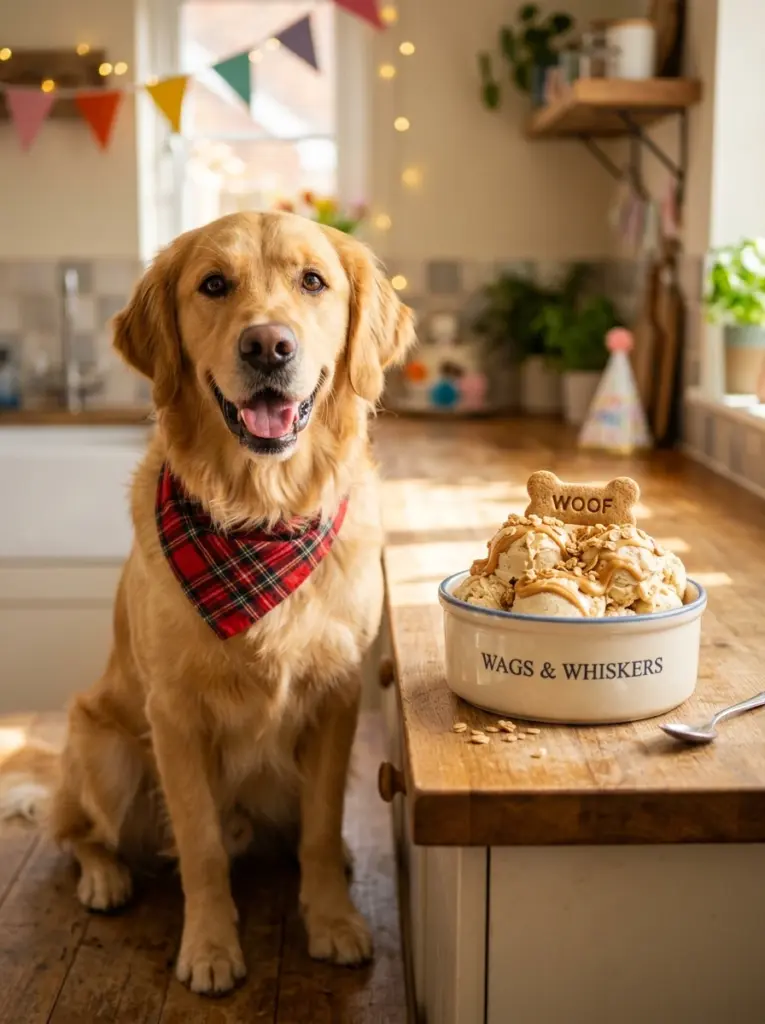
By taking control of your dog’s nutritional intake and making homemade Peanut Butter Dog Ice Cream from scratch, you guarantee that every single lick delivers pure, wholesome nutrition. This recipe relies on three core natural ingredients: high-protein unsweetened Greek yogurt, potassium-rich fresh bananas, and wholesome, xylitol-free peanut butter. Golden Retrievers, Labradors, and dogs of all breeds adore the luscious texture and rich, nutty aroma of this icy delight. Beyond satisfying your dog’s taste buds, preparing homemade treats strengthens the emotional bond between pet parents and their animals, ensuring safety, quality, and complete transparency in every bite.
2. In-Depth Canine Nutritional Science Breakdown
Understanding the biological impact of whole food ingredients is essential for long-term canine health. Let us analyze the specific nutritional breakdown of each component used in this premium Peanut Butter Dog Ice Cream recipe.
Unsweetened Organic Peanut Butter:
Peanut butter is an outstanding source of plant-based protein, essential fatty acids, niacin (Vitamin B3), Vitamin E, and healthy monounsaturated fats. Niacin aids in energy metabolism and enzymatic functions, while Vitamin E plays a pivotal role in maintaining cellular skin health and a glossy, radiant coat. The healthy fats in peanut butter support brain function and joint lubrication, which is especially vital for large athletic breeds such as Golden Retrievers. However, absolute vigilance is required to select peanut butter free of added sugars, excess salt, and dangerous artificial sweeteners.
Plain Unsweetened Greek Yogurt:
Unlike regular whole milk, which contains high levels of lactose that can cause diarrhea and bloating in lactose-sensitive canines, plain Greek yogurt undergoes an extensive straining process. This process removes the majority of whey and lactose while concentrating protein and bioavailable calcium. Greek yogurt acts as a powerful natural probiotic powerhouse, delivering millions of live beneficial bacterial cultures directly to your dog’s microbiome. A healthy gut microbiome improves nutrient absorption, strengthens systemic immune responses, and reduces chronic skin inflammation.
Fresh Ripe Bananas:
Bananas serve as a natural, low-calorie sweetener packed with essential dietary fiber, potassium, Vitamin B6, and Vitamin C. Potassium supports proper cardiovascular function, fluid balance, and muscular contraction. Vitamin B6 is critical for glucose generation, red blood cell production, and nervous system regulation. The soluble fiber content aids in smooth digestive transit, firming up stools and preventing constipation.
Pure Organic Honey:
Honey adds a touch of natural floral sweetness while contributing trace minerals, enzymes, and natural antimicrobial compounds. Raw unpasteurized honey contains micro-amounts of local pollen, which can act as a natural immunotherapy against seasonal environmental allergies in adult dogs.
3. Veterinarian Safety Standards & Critical Ingredient Checklist
When preparing any homemade food for dogs, safety must remain the absolute top priority. Canine physiology differs drastically from human biology, meaning certain common food ingredients can cause toxicity or severe emergency medical complications.
The Fatal Danger of Xylitol (Birch Sugar):
Before opening any jar of peanut butter, you MUST thoroughly read the ingredient label. Xylitol, also listed as birch sugar, wood sugar, or E967, is a sugar alcohol used as an artificial sweetener in many reduced-calorie peanut butter brands, baked goods, and human condiments. In dogs, xylitol triggers a rapid, massive release of insulin from the pancreas, leading to severe hypoglycemic shock within 10 to 60 minutes. Symptoms include acute lethargy, vomiting, loss of coordination, seizures, acute hepatic liver failure, and death. Always ensure your chosen peanut butter lists exactly one or two ingredients: peanuts and optional salt.
Lactose Tolerance Evaluation:
While plain Greek yogurt is low in lactose, individual dogs possess varying levels of lactase enzyme production. When feeding dairy products for the first time, start with a tiny quarter-spoon test portion. If your dog exhibits flatulence, loose stools, or abdominal gurgling, substitute the Greek yogurt with pure canned coconut milk or plain pumpkin puree.
The 10 Percent Caloric Treat Rule:
Veterinary nutritionists globally enforce the golden rule of canine treat feeding: total daily treats must NEVER exceed 10 percent of a dog’s total daily caloric requirements. The remaining 90 percent must come from a complete and balanced primary diet approved by AAFCO standards. Overfeeding high-fat treats like peanut butter can lead to rapid weight gain and trigger acute pancreatitis, a painful inflammation of the pancreas.
4. Kitchen Equipment & Meal Prep Essentials
To seamlessly prepare batches of Peanut Butter Dog Ice Cream, gather these essential kitchen tools before starting:
• High-Speed Blender or Food Processor: Ensures an ultra-smooth, homogeneous texture without chunking.
• Food-Grade Silicone Paws or Bone Molds: Silicone facilitates easy pop-out removal without sticking.
• Rubber Spatula: Scrapes down bowl walls to prevent food waste.
• Airtight Freezer Containers or Glass Jar Storage: Protects frozen treats from absorbing freezer odors.
• Small Paper Dixie Cups: Excellent alternatives if silicone molds are unavailable.
5. Complete Master Recipe: Ingredients & Step-by-Step Directions
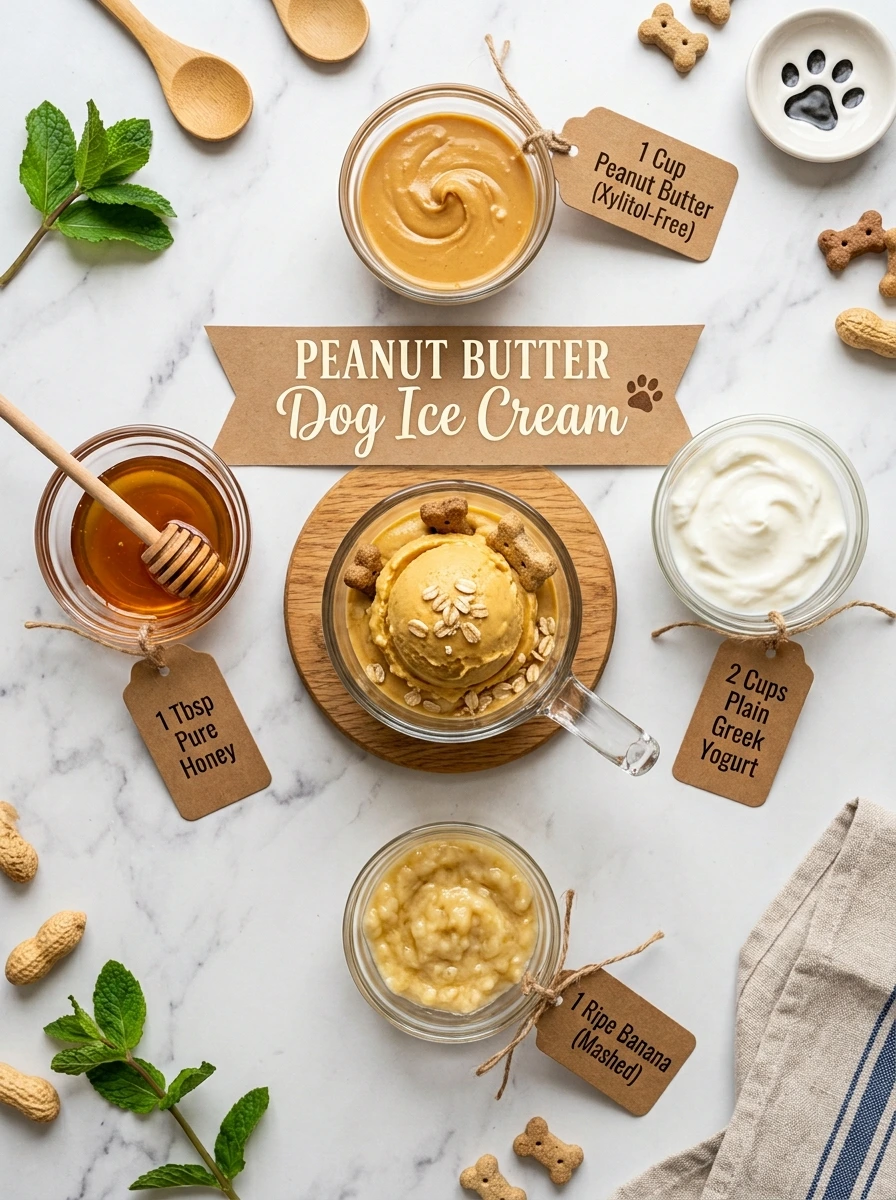
Ingredients List:
• 1 Cup Organic Peanut Butter (100% xylitol-free, smooth, unsalted)
• 2 Cups Plain Unsweetened Greek Yogurt (low-fat or whole milk)
• 1 Large Ripe Banana (peeled and mashed)
• 1 Tablespoon Pure Organic Honey (optional natural booster)
• 2 to 4 Tablespoons Filtered Water (optional, for adjusting blend viscosity)
Step-by-Step Directions:
1. Verify Label Integrity: Carefully inspect your peanut butter container. Verify there is no xylitol, birch sugar, palm oil additives, or artificial flavorings.
2. Prepare Fruit Base: Place the peeled ripe banana into a clean glass mixing bowl. Use a fork or potato masher to crush it into a smooth puree free of large chunks.
3. Combine Main Ingredients: Add the 1 cup of xylitol-free peanut butter, 2 cups of plain Greek yogurt, and 1 tablespoon of raw honey into the bowl containing the mashed banana.
4. Blend to Creamy Perfection: Transfer the ingredients into a blender or use a hand mixer. Blend on medium-high speed for 60 to 90 seconds until the mixture reaches a silky, velvet ice cream batter consistency. If the batter is overly thick, pulse in 1 tablespoon of filtered water at a time until smooth.
5. Portion into Silicone Molds: Set your food-grade silicone molds onto a baking sheet for stability. Spoon the peanut butter ice cream mixture evenly into each cavity. Gently tap the baking tray on your kitchen counter to release trapped air bubbles.
6. Freeze to Solid State: Place the filled molds flat in the freezer. Freeze undisturbed for at least 2 to 3 hours, or overnight until solid.
7. Unmold and Serve: Push gently on the bottom of the silicone mold to pop out an ice cream treat. Allow the treat to sit at room temperature for 60 seconds before offering it to your dog.
6. Dietary Customizations & Allergy Substitutions
Every dog is unique, and dietary restrictions require clever culinary adaptations. Customize this recipe based on your pet’s metabolic needs:
Pancreatitis & Low-Fat Adaptation:
If your dog requires a strict low-fat diet, reduce the peanut butter to 1/4 cup and substitute the remaining amount with pure canned pumpkin puree. Use 0% non-fat Greek yogurt to minimize fat intake while retaining protein and moisture.
Dairy-Free / Lactose-Free Alternative:
For canines with severe dairy sensitivities, replace Greek yogurt with unsweetened, non-dairy coconut yogurt or pure unsweetened coconut cream.
Peanut-Free Seed Butter Swap:
If any family members in your home suffer from peanut allergies, substitute peanut butter with 100% unsweetened sunflower seed butter (sunbutter), ensuring zero added sugars or xylitol.
7. Dog Weight & Breed-Specific Daily Portion Guide
Moderation is essential to maintain optimal body condition score (BCS) in dogs. Follow these weight-based serving recommendations for Peanut Butter Dog Ice Cream:
• Toy Breeds (Under 10 lbs, e.g., Chihuahua, Yorkshire Terrier): 1/4 of a mini treat per day (approx. 15-20 calories).
• Small Breeds (10 to 25 lbs, e.g., French Bulldog, Pug, Beagle): 1/2 of a mini treat per day (approx. 35-40 calories).
• Medium Breeds (25 to 55 lbs, e.g., Australian Shepherd, Border Collie): 1 full mini treat per day (approx. 70-80 calories).
• Large Breeds (55 to 85 lbs, e.g., Golden Retriever, German Shepherd): 1 to 2 standard treats per day (approx. 120-150 calories).
• Giant Breeds (85+ lbs, e.g., Great Dane, Mastiff, Saint Bernard): 2 standard treats per day (approx. 180-200 calories).
8. Optimal Storage, Freezing & Shelf-Life Maximization
To preserve nutrient integrity and prevent freezer burn, proper storage techniques are imperative:
Freezer Storage Protocol:
Once frozen solid inside silicone molds, pop the ice cream treats out and transfer them immediately into an airtight glass container or heavy-duty zip-top freezer bag. Squeeze out excess air before sealing tightly. Label the bag with the date of preparation.
Shelf-Life Expectations:
When stored correctly in an airtight freezer environment, homemade Peanut Butter Dog Ice Cream stays fresh and delicious for up to 3 months. Discard any treats that show signs of ice crystallization, off colors, or freezer odor transfer.
9. Frequently Asked Questions (FAQ)
Question 1: Can puppies eat Peanut Butter Dog Ice Cream?
Answer: Yes, puppies over 12 weeks of age can enjoy this treat in tiny portions. Introduce a small fingernail-sized piece first to monitor how their developing digestive system handles Greek yogurt and peanut butter. Omit honey for puppies under 12 months.
Question 2: Why is store-bought human ice cream unsafe for my dog?
Answer: Human ice cream contains high levels of lactose, sucrose, heavy fats, and potentially lethal ingredients like chocolate, xylitol, macadamia nuts, or coffee extracts. Dogs lack sufficient lactase enzymes to digest heavy cream, resulting in severe diarrhea, vomiting, and painful gas.
Question 3: Can I freeze this mixture inside a KONG toy?
Answer: Absolutely! Spoons of this liquid batter pressed inside a rubber KONG toy and frozen overnight create an incredible, long-lasting enrichment activity that mentally stimulates your dog and reduces separation anxiety.
Question 4: What should I do if my dog eats an ice cream treat too quickly?
Answer: Fast swallowers can swallow large frozen chunks whole, presenting a choking hazard. Serve the ice cream inside a slow feeder bowl, hold the treat in your hand while they lick, or allow it to soften slightly at room temperature.
Question 5: Is honey safe for diabetic dogs?
Answer: If your dog has canine diabetes, omit the honey and banana from the recipe. Stick to a low-glycemic combination of plain Greek yogurt and pure xylitol-free peanut butter, or replace fruit with cooked pureed green beans under veterinary supervision.
Question 6: Can I use almond butter instead of peanut butter?
Answer: Almond butter is generally safe in tiny amounts, but almonds are harder for dogs to digest and carry higher fat density. Peanut butter or sunflower seed butter remains superior for canine digestibility.
Question 7: How long can frozen treats sit out at room temperature?
Answer: Do not leave dairy-based frozen treats at room temperature for longer than 15-20 minutes, as bacterial proliferation can occur. Promptly return uneaten portions to the freezer or discard them.
Question 8: Does Greek yogurt cause pancreatitis in dogs?
Answer: Plain low-fat or non-fat Greek yogurt is generally safe. However, high-fat peanut butter fed in excessive quantities can trigger pancreatitis in susceptible dogs. Always stick to strict portion guidelines.
10. Conclusion & Final Pet Parenting Takeaways
Crafting homemade Peanut Butter Dog Ice Cream is one of the most rewarding ways to demonstrate love and care for your canine family member. By blending simple whole foods like probiotic-rich Greek yogurt, potassium-packed bananas, and healthy xylitol-free peanut butter, you deliver a cold, mouthwatering treat that promotes vitality without synthetic additives or toxic fillers. Always prioritize safety by verifying ingredient labels, practicing portion control, and consulting your veterinarian regarding specific dietary conditions. Turn hot sunny afternoons into joyful bonding moments with a bowl of refreshing, health-boosting pup ice cream your dog will adore endlessly!
Print
Peanut Butter Ice Cream Dog Treats
Ingredients
1. **1 cup** Organic Peanut Butter — *(Must be 100% xylitol-free and unsalted.)* — 🐾 *Benefit: Provides healthy fats, protein, vitamin E, and niacin for joint health and coat luster.*
2. **2 cups** Plain Unsweetened Greek Yogurt — *(Ensure zero artificial sweeteners, zero added sugars, and low lactose content.)* — 🐾 *Benefit: Delivers natural probiotics for gut digestive health and calcium for strong bones.*
3. **1 medium** Ripe Banana — *(Mashed smoothly to act as a natural sweetener and texture binder.)* — 🐾 *Benefit: Packed with potassium, vitamin C, vitamin B6, and dietary fiber.*
4. **1 tablespoon** Pure Organic Honey — *(Optional ingredient; avoid feeding raw honey to puppies under 12 months.)* — 🐾 *Benefit: Offers natural antimicrobial properties, local pollen allergy support, and gentle energy.*
Instructions
Step 1: Inspect & Prepare Base Ingredients
Carefully review the peanut butter ingredient label to guarantee absolute absence of xylitol or birch sugar. Peel the ripe banana and mash thoroughly in a large mixing bowl until smooth.
> 💡 **Pro Tip:** Using extra ripe bananas with brown spots adds natural sweetness without refined sugar.
Step 2: Combine & Blend Creamy Base
Add 1 cup of xylitol-free peanut butter, 2 cups of plain Greek yogurt, and 1 tablespoon of honey into the bowl with the mashed banana. Use a hand mixer or high-speed blender to pulse for 60 seconds until completely silky and smooth.
> 💡 **Pro Tip:** If the mixture is too thick, add 2 tablespoons of warm water or unsalted bone broth to loosen texture.
Step 3: Portion Into Silicone Molds or Cups
Spoon the blended mixture into dog-safe silicone paw molds, ice cube trays, or small paper freezer cups. Tap the tray lightly on the counter to remove air bubbles.
> 💡 **Pro Tip:** Stick a mini dog biscuit into the center of each cup as an edible stick placeholder.
Step 4: Freeze Until Firm
Place the filled silicone molds flat into the freezer for at least 2 hours, or until fully solid to the touch.
> 💡 **Pro Tip:** Store the frozen treats in a zip-top freezer bag once solidified to retain freshness.
Step 5: Serve Safely to Your Pup
Pop an ice cream treat out of the mold and let it sit at room temperature for 1-2 minutes to soften slightly before offering it to your dog.
> 💡 **Pro Tip:** Hold the treat or place it inside a slow feeder bowl to prevent fast swallowers from gulping.