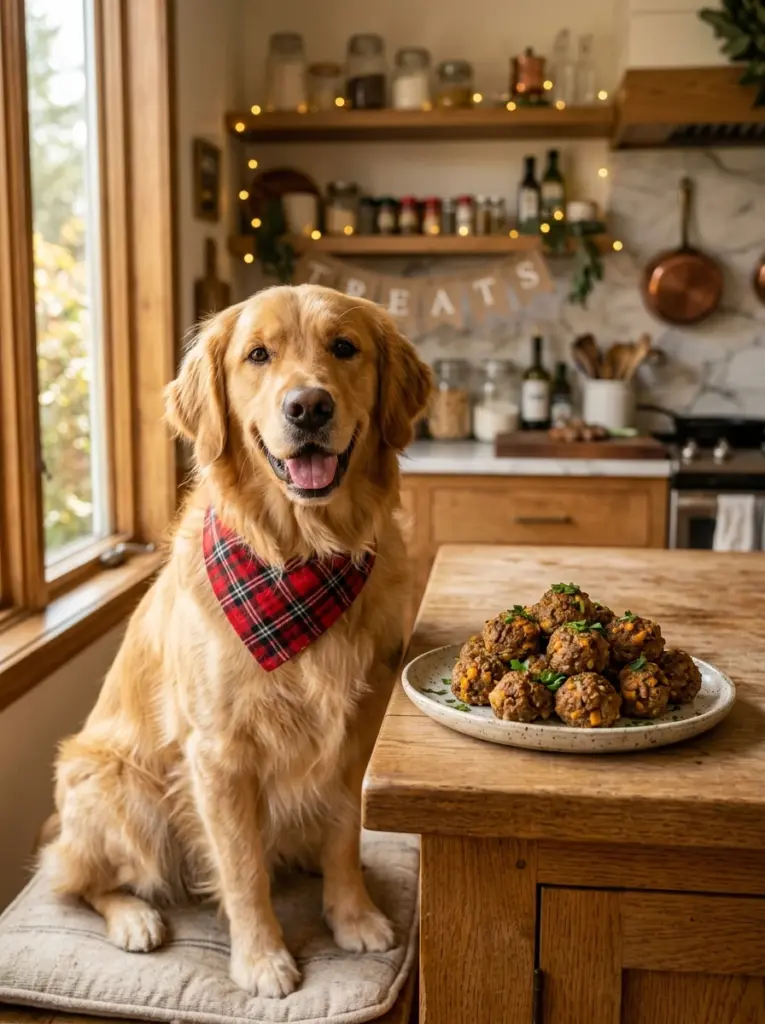
Beef and Pumpkin Dog Meatballs are the ultimate savory, nutrient-dense reward crafted specifically to boost your dog’s energy, coat shine, and gut health.
Every pet parent wants to offer their beloved canine companion snacks that are delicious, wholesome, and completely free from artificial fillers, chemicals, or dangerous additives. While commercial dog treats lined up on supermarket shelves frequently contain sodium, corn syrup, synthetic preservatives, and vague meat by-products, homemade treats allow complete control over every single ingredient entering your dog’s bowl.
This comprehensive guide reveals the exact culinary science, nutritional breakdown, safety standards, and cooking techniques needed to master Beef and Pumpkin Dog Meatballs at home. Whether you have an energetic Golden Retriever, a gentle Great Dane, or a spunky French Bulldog, this veterinarian-approved recipe provides an exceptional balance of lean protein, soluble dietary fiber, and bioavailable vitamins.
1. Introduction: The Homemade Dog Treat Revolution
Beef and Pumpkin Dog Meatballs represent a powerful movement toward whole-food canine nutrition. Over the past decade, veterinary medicine has highlighted the vital connection between gut health, coat condition, and whole-body canine longevity. Commercially processed kibble and baked store-bought biscuits often undergo extreme heat extrusion processes that strip natural micronutrients, requiring manufacturers to spray synthetic vitamin packs back onto the finished product.
By contrast, preparing fresh protein treats in your own kitchen preserves natural enzyme activity, essential amino acids, and pristine moisture balance. Beef provides a species-appropriate foundation rich in muscle-building amino acids, while pure pumpkin puree introduces unmatched digestive support. Combined with binding eggs and soothing gluten-free oat flour, these meatballs create an irresistible aroma that will have your pup sitting attentively by the oven.
2. In-Depth Canine Nutritional Science Breakdown
Understanding the physiological impact of individual ingredients empowers pet parents to make informed nutritional choices. Let us break down the functional benefits of each component in these Beef and Pumpkin Dog Meatballs.
Lean Ground Beef Nutrients
Ground beef serves as an exceptional single-source animal protein. Lean cuts such as 90 percent or 93 percent lean beef minimize excess saturated fats while delivering essential nutrients including heme iron, zinc, selenium, and B vitamins such as B12 and niacin. Heme iron is critical for oxygen transportation in hemoglobin, supporting stamina and muscle repair. Zinc plays a pivotal role in cellular immune function and wound healing, while B vitamins facilitate nervous system maintenance and efficient metabolic turnover.
Pure Pumpkin Puree and Digestive Motility
100 percent pure pumpkin puree is revered by veterinary nutritionists for its unique dual-action digestive benefit. Rich in soluble fiber, specifically pectin, pumpkin acts as a natural prebiotic that feeds beneficial probiotic flora within the canine colon. Soluble fiber absorbs excess water in the GI tract, helping to firm loose stools, while simultaneously providing gentle bulk to alleviate constipation. Pumpkin is also loaded with beta-carotene, an antioxidant converted by the dog’s liver into active Vitamin A to maintain sharp vision, cellular health, and vibrant skin integrity.
Whole Eggs for Complete Protein and Coat Integrity
Eggs represent the biological gold standard for protein bioavailability. Containing all nine essential amino acids required by dogs, eggs support tissue repair, hormone synthesis, and enzyme production. Furthermore, egg yolks provide rich concentrations of biotin, choline, and omega-6 fatty acids, which nourish skin lipids, strengthen hair follicles, and promote a soft, glossy coat.
Oat Flour for Gentle Energy and Complex Carbohydrates
Rolled oats, ground into fresh oat flour, supply gentle, low-glycemic complex carbohydrates that release steady energy without causing erratic blood sugar spikes. Oat flour is naturally gluten-free and easily tolerated by dogs with sensitive stomachs or wheat intolerances. Its soluble fiber content aids in maintaining cholesterol levels and supporting cardiovascular wellness.
Fresh Curly Parsley for Breath and Antioxidant Support
Fresh curly parsley offers much more than an aesthetic green speckle. It acts as a natural internal deodorizer, neutralizing oral bacteria to freshen doggy breath. Rich in Vitamin K for blood coagulation and Vitamin C for cellular defense, parsley adds a punch of phytonutrients without introducing harsh essential oils.
3. Veterinarian Safety Standards and Critical Ingredient Checklist
When preparing homemade food for dogs, strict safety protocols must be followed to prevent accidental toxicity or gastrointestinal distress.
Never Use Toxic Ingredients
When sourcing ingredients for Beef and Pumpkin Dog Meatballs, scrutinize every label. Never include onions, garlic, shallots, or chives, as compounds called thiosulfates in these Allium plants cause oxidative damage to red blood cells, leading to hemolytic anemia. Avoid all forms of xylitol or birch sugar, which trigger rapid, life-threatening insulin spikes in dogs. Ensure your pumpkin puree contains zero added sugars, nutmeg, cinnamon, or clove mixtures commonly found in pumpkin pie fillings.
Fat Content and Pancreatitis Prevention
Using ultra-lean ground beef is essential. High-fat ground meats such as 70/30 beef can trigger acute pancreatitis in susceptible dogs, an extremely painful inflammation of the pancreas characterized by vomiting, lethargy, and abdominal pain. Sticking to lean ground beef ensures high protein intake with low inflammatory risk.
The 10 Percent Caloric Treat Rule
While these meatballs are packed with whole-food nutrition, they are designed as complementary treats, toppers, or high-value training rewards. Treats should never exceed 10 percent of your dog’s total daily caloric allowance. The remaining 90 percent must come from a complete and balanced life-stage diet.
4. Kitchen Equipment and Meal Prep Essentials
Preparing your kitchen beforehand makes dog treat prep smooth and efficient. Gather the following basic tools:
• Large stainless steel or glass mixing bowl
• Parchment paper or non-stick silicone baking mat
• Rimmed heavy-duty baking sheet
• Digital kitchen food scale or measuring cups
• Digital instant-read meat thermometer
• Wire cooling rack for air circulation
• Airtight glass storage containers
Using parchment paper or silicone mats eliminates the need for non-stick cooking sprays, which often contain propellants, soy lecithin, or synthetic oils unnecessary for canine digestion.
5. Complete Master Recipe: Ingredients and Step-by-Step Directions
Follow this precise standard recipe to prepare a batch of fresh Beef and Pumpkin Dog Meatballs.
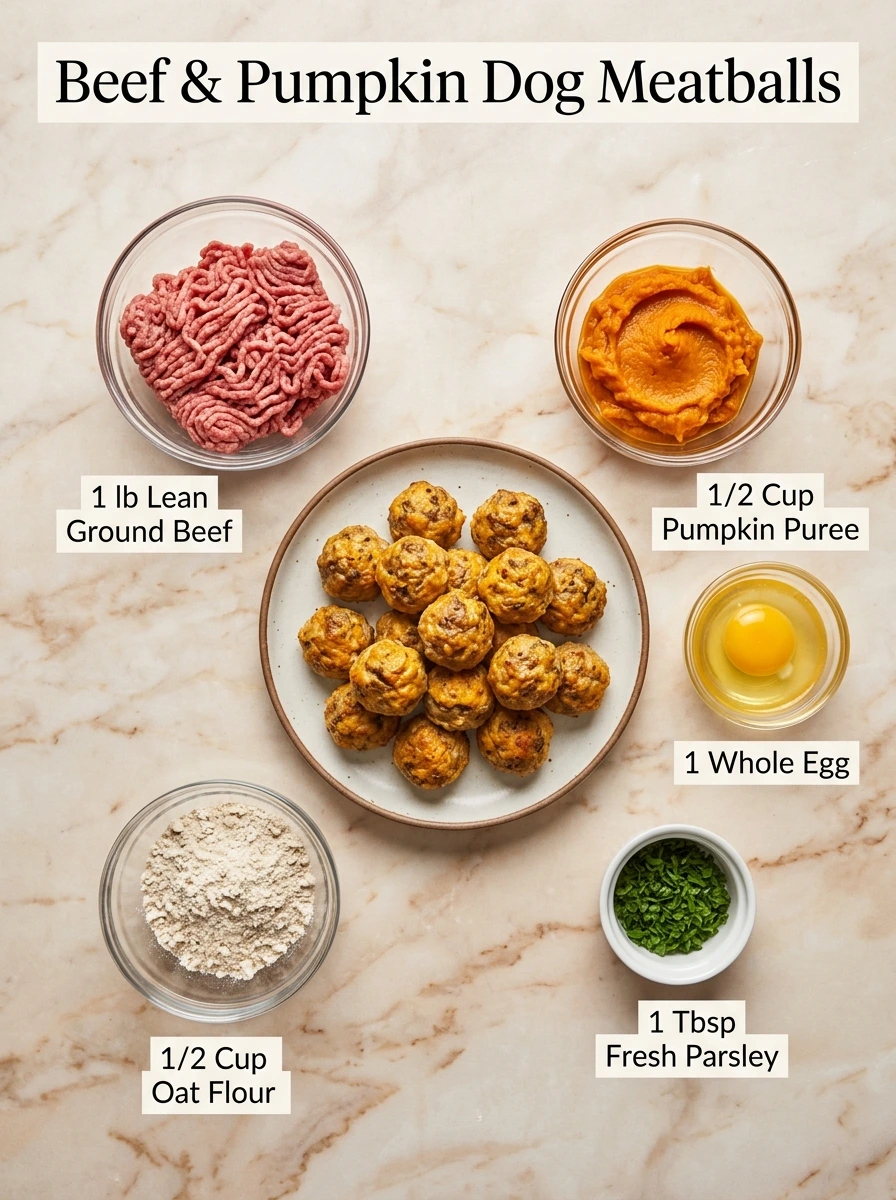
Ingredients List:
• 1 lb (450 g) Lean Ground Beef (90% lean or higher)
• 1/2 cup (120 g) Pure Pumpkin Puree (100% pure, unseasoned)
• 1 large Whole Farm Egg
• 1/2 cup (60 g) Whole Oat Flour
• 1 tablespoon finely chopped Fresh Curly Parsley
Step-by-step Directions:
Step 1: Oven Setup and Surface Preparation
Preheat your convection or conventional oven to 375°F (190°C). Line a large rimmed baking sheet with unbleached parchment paper. Ensuring your oven achieves a stable 375°F before baking guarantees uniform cooking and locks in internal juices.
Step 2: Combining the Ingredients
In a clean mixing bowl, place the lean ground beef, pumpkin puree, cracked egg, oat flour, and chopped fresh parsley. Using clean hands or a sturdy spatula, fold the ingredients together until thoroughly combined. Avoid over-working the mixture to keep the texture tender.
Step 3: Portioning and Rolling
Scoop approximately one tablespoon of the mixture for standard medium-to-large dog treats. Roll the mixture between your palms to form smooth, round meatballs about one inch in diameter. Arrange them evenly on the prepared baking sheet, leaving half an inch of space between each ball. For toy breeds, roll half-inch bite-sized mini meatballs.
Step 4: Precision Baking
Place the baking sheet on the center rack of your oven. Bake for 18 to 22 minutes. To guarantee absolute microbial safety, insert a digital meat thermometer into the center of a meatball; it must read at least 160°F (71°C).
Step 5: Cooling and Hygiene Protocols
Remove the meatballs from the oven and immediately transfer them onto a wire cooling rack. Allow them to cool down completely to room temperature before offering any to your dog. Serving hot food direct from the oven can scald sensitive oral tissues.
6. Dietary Customizations and Allergy Substitutions
Every dog is an individual with unique dietary requirements. Here is how to tailor Beef and Pumpkin Dog Meatballs for special dietary needs:
Single-Protein Swaps
If your dog has a sensitive stomach or beef allergy, swap the ground beef with an equal weight of ground turkey, ground chicken, or ground bison. Ensure all poultry swaps achieve an internal temperature of 165°F (74°C).
Grain-Free Adjustments
For dogs requiring a grain-restricted diet, substitute the oat flour with coconut flour or chickpea flour. When using coconut flour, reduce the amount to 1/4 cup, as coconut flour absorbs significantly more moisture than oat flour.
Low-Fat Modification
To accommodate dogs recovering from pancreatitis or requiring strict weight management, replace ground beef with extra-lean ground turkey breast (99% fat-free) or cooked, flaked white fish like cod.
7. Dog Weight and Breed-Specific Daily Portion Guide
Portion control is vital to prevent unintentional weight gain. Use the following daily feeding guide based on your dog’s weight category:
• Toy Breeds (Under 10 lbs / 4.5 kg): 1/2 small meatball per day.
• Small Breeds (10 to 25 lbs / 4.5 to 11 kg): 1 small meatball per day.
• Medium Breeds (25 to 55 lbs / 11 to 25 kg): 1 to 2 standard meatballs per day.
• Large Breeds (55 to 85 lbs / 25 to 38 kg): 2 to 3 standard meatballs per day.
• Giant Breeds (Over 85 lbs / 38 kg): 3 to 4 standard meatballs per day.
Always monitor your dog’s body condition score and reduce main meal kibble slightly on days when treats are awarded.
8. Optimal Storage, Freezing, and Shelf-Life Maximization
Fresh homemade dog treats lack synthetic chemical preservatives, making proper storage essential to prevent spoilage.
Refrigeration Protocols
Store completely cooled meatballs in an airtight glass container lined with a paper towel to absorb stray moisture. Store in the main compartment of your refrigerator for up to 5 days.
Freezing Masterclass
To keep a long-term supply, place baked meatballs in a single layer on a parchment-lined baking sheet and freeze for 2 hours until solid. Transfer frozen meatballs into a heavy-duty freezer bag or silicone storage pouch. Label with the date. Frozen meatballs remain fresh for up to 3 months. Thaw individual portions in the refrigerator overnight before serving.
9. Frequently Asked Questions (FAQ)
Question 1: Can I feed these Beef and Pumpkin Dog Meatballs to raw-fed dogs?
Answer: Yes. These meatballs can easily fit into a raw diet framework. However, if you feed them raw, ensure raw meat handling safety, use human-grade meat, and consult your holistic vet.
Question 2: Can puppies eat these meatballs?
Answer: Yes, puppies over 12 weeks of age who have transitioned onto solid foods can enjoy these meatballs. Cut them into tiny, puppy-appropriate bites to avoid choking risks.
Question 3: Can I use fresh pumpkin instead of canned pumpkin puree?
Answer: Absolutely. You can steam and puree fresh sugar pumpkins or butternut squash at home. Ensure the skin and seeds are completely removed and no seasonings are added.
Question 4: What should I do if my dog has a beef allergy?
Answer: Simply substitute the ground beef with lean ground turkey, ground chicken, or ground lamb, depending on what novel protein your dog tolerates best.
Question 5: Can I freeze the raw meatball dough before baking?
Answer: Yes. You can roll raw meatballs, freeze them solid on a sheet, and store them in freezer bags. Bake directly from frozen at 375°F for 25 to 28 minutes until internal temperature reaches 160°F.
Question 6: Is parsley safe for all dog breeds?
Answer: Fresh curly parsley is safe in small culinary amounts. Avoid pregnant female dogs eating excessive parsley as it can stimulate uterine contractions, and never use wild spring parsley.
Question 7: How can I use these meatballs for dog training?
Answer: Simply crumble a cooled meatball into pea-sized morsels. Because of their intense savory beef aroma, these serve as an extremely high-value reward for obedience training.
Question 8: My dog has diabetes. Are these meatballs suitable?
Answer: Beef and pumpkin are low in sugar and high in protein and fiber, making this recipe generally friendly for diabetic dogs. Consult your vet regarding your dog’s specific insulin schedule.
Question 9: Can I add peanut butter to this recipe?
Answer: Yes, you can mix 2 tablespoons of 100 percent natural, xylitol-free peanut butter into the dough for extra flavor and healthy fats.
Question 10: Why did my meatballs turn out dry?
Answer: Dryness usually occurs from over-baking or using an ultra-lean meat without sufficient pumpkin moisture. Ensure you remove them as soon as the internal temperature hits 160°F.
10. Conclusion and Final Pet Parenting Takeaways
Preparing homemade Beef and Pumpkin Dog Meatballs is one of the most rewarding ways to show love to your canine companion while actively supporting their health. By combining high-protein lean beef, digestive-soothing pumpkin, nutrient-dense eggs, and soothing oat flour, you create a treat that surpasses commercial alternatives in both taste and nutritional integrity.
Remember to introduce new foods gradually, adhere to safe cooking temperatures, and maintain portion discipline. Your dog will reward your culinary efforts with enthusiastic tail wags and healthy energy for years to come.
Print
Beef & Pumpkin Dog Meatballs
Ingredients
1. **1 lb (450 g)** Lean Ground Beef (90% or higher) — *(Unseasoned and raw before mixing; ensure no added broth or spices.)* — 🐾 *Benefit: Provides high-quality lean protein, iron, zinc, and B vitamins to support strong muscle development and daily energy.*
2. **1/2 cup (120 g)** Pure Pumpkin Puree — *(Use 100% pure pumpkin puree only, never pumpkin pie mix.)* — 🐾 *Benefit: Packed with soluble fiber, beta-carotene, and potassium to soothe digestion and support healthy bowel regularity.*
3. **1 whole raw egg** Egg — *(Cage-free or organic preferred.)* — 🐾 *Benefit: Acts as a natural nutritional binder while contributing essential amino acids, fatty acids, and biotin for skin and coat health.*
4. **1/2 cup (60 g)** Oat Flour — *(Can make by pulsing whole rolled oats in a blender.)* — 🐾 *Benefit: A gentle, gluten-free complex carbohydrate source rich in soluble fiber and antioxidants that supports smooth digestion.*
5. **1 tbsp (finely chopped)** Fresh Curly Parsley — *(Use fresh curly parsley; avoid spring parsley or toxic wild species.)* — 🐾 *Benefit: Natural breath freshener containing vitamins A, C, and K, along with protective antioxidants.*
Instructions
Step 1: Oven & Sheet Preparation
Preheat your oven to 375°F (190°C) and line a large rimmed baking sheet with unbleached parchment paper or a silicone baking mat.
> 💡 **Pro Tip:** Parchment paper prevents sticking without adding unnecessary oils or grease to your dog’s diet.
Step 2: Combine Raw Ingredients
In a large mixing bowl, combine 1 lb of lean ground beef, 1/2 cup of pure pumpkin puree, 1 cracked egg, 1/2 cup of oat flour, and 1 tablespoon of finely chopped fresh parsley.
> 💡 **Pro Tip:** Use clean hands or a sturdy wooden spoon to ensure the pumpkin and egg are fully incorporated throughout the meat mass.
Step 3: Roll Bite-Sized Meatballs
Scoop out tablespoon-sized portions and roll them between your palms into uniform 1-inch meatballs. Space them evenly on the prepared baking sheet.
> 💡 **Pro Tip:** For small dog breeds, roll into 1/2-inch mini meatballs to prevent choking.
Step 4: Bake to Food Safety Standards
Bake in the preheated oven for 18 to 22 minutes, or until the meatballs are firm to the touch and the internal temperature reaches 160°F (71°C) on a digital meat thermometer.
> 💡 **Pro Tip:** Ensuring an internal temperature of 160°F completely eliminates foodborne bacteria while retaining moisture.
Step 5: Cool Thoroughly & Serve
Remove the baking sheet from the oven and allow the meatballs to cool completely to room temperature on a wire rack before serving to your dog.
> 💡 **Pro Tip:** Never serve warm meatballs direct from the oven; warm meat can cause mouth burns or digestive upset.
Daily Weight & Breed Portion Guidelines
– **Toy & Small Dogs (< 20 lbs):** 1/2 to 1 small meatball per day (under 25 lbs)
– **Medium Dogs (20 – 50 lbs):** 1 to 2 standard meatballs per day (25-50 lbs)
– **Large & Giant Dogs (50+ lbs):** 2 to 3 standard meatballs per day (50+ lbs)
– 🩺 *Veterinary Note: Treats and toppers should not exceed 10% of your dog’s daily caloric intake. Always consult your vet before introducing new foods.*
Storage & Shelf-Life
– **Refrigerator:** Store cooked and fully cooled meatballs in an airtight glass container for up to 5 days.
– **Freezer:** Freeze in a single layer on a tray, then transfer to a freezer-safe bag or container for up to 3 months. Thaw in the fridge overnight before feeding.
– **Shelf-Life:** Fresh for 5 days refrigerated; up to 90 days frozen.