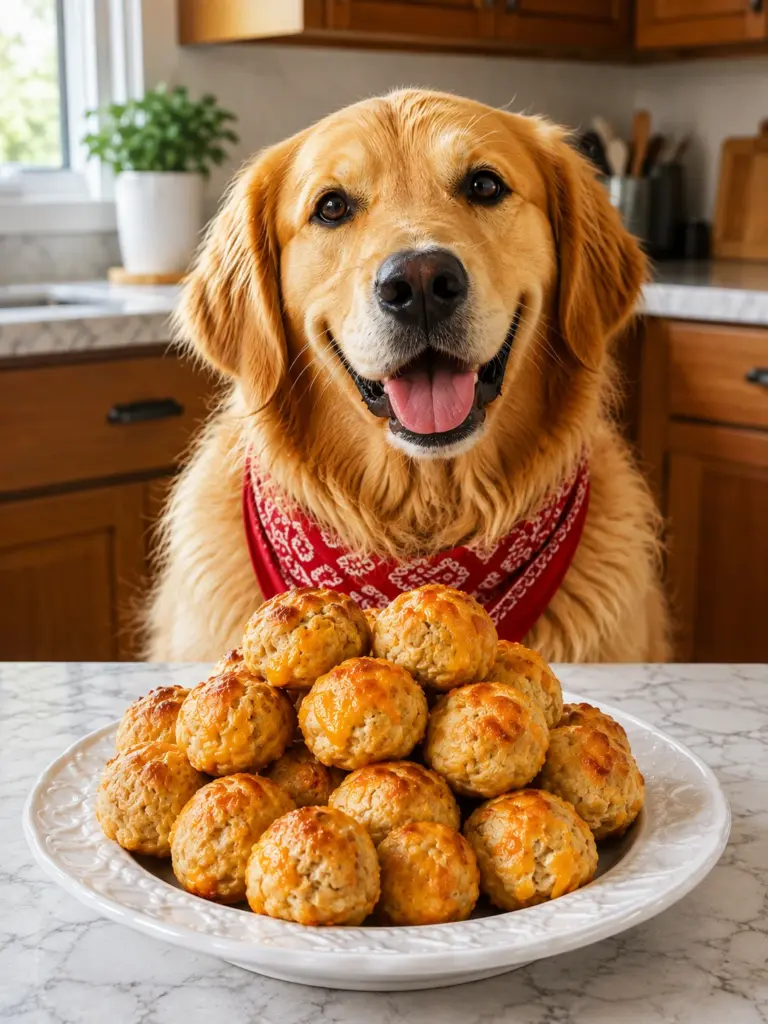
Chicken and Cheese Pup Donut Holes Recipe Guide
1. Introduction: The Homemade Dog Treat Revolution
Chicken and Cheese Pup Donut Holes are taking the pet parenting community by storm, offering a mouthwatering, high-protein snack that turns treat time into a celebratory experience. Millions of pet owners across the world are shifting away from commercial store-bought snacks that are often laden with artificial preservatives, chemical binders, and unnecessary sodium. By taking control of your canine’s kitchen, you unlock the ability to nourish your dog with real, recognizable whole foods that cater to their evolutionary biology.
This specific recipe combines tender, lean chicken breast with low-sodium cheddar cheese, soluble oat flour, and binding whole egg to create a bite-sized donut hole that dogs simply cannot resist. The warm aroma of savory chicken and baked cheese lingering in your kitchen will instantly bring your furry friend running to the counter with a wagging tail. Beyond the sheer excitement it generates, preparing Chicken and Cheese Pup Donut Holes allows you to customize ingredients to match your dog’s unique allergies, weight goals, and digestion needs.
2. In-Depth Canine Nutritional Science Breakdown
To understand why Chicken and Cheese Pup Donut Holes are so beneficial for your dog, it is essential to explore the functional science of each wholesome ingredient incorporated into this recipe.
First, boneless skinless chicken breast serves as the primary lean protein foundation. Protein is vital for building and maintaining strong muscle mass, supporting tissue repair, synthesizing essential hormones, and fueling your dog’s daily playfulness. Chicken breast is naturally low in saturated fats while providing essential amino acids, niacin, phosphorus, and vitamin B6, which power metabolic function and support sustained stamina.
Second, cheddar cheese provides an exceptional reward element while delivering calcium and healthy fats. Calcium is fundamental for maintaining strong bone architecture, healthy dental structure, nerve impulse transmission, and vascular contraction. By choosing a low-sodium version, pet owners ensure their dogs enjoy the protein and richness of cheese without stressing their kidneys or blood pressure.
Third, whole oat flour acts as a gentle, complex carbohydrate base. Unlike refined wheat flour which can trigger grain sensitivities, oat flour is naturally gluten-free and easily digested by the canine gut. It is rich in beta-glucan, a soluble dietary fiber that stabilizes blood glucose levels, nourishes beneficial gut bacteria, and promotes firm, regular bowel movements. Oat flour also supplies magnesium, iron, and antioxidant compounds that bolster immune defense.
Fourth, whole eggs serve as nature’s ultimate complete protein source, offering a flawless biological profile of all ten essential amino acids that dogs require. Eggs supply riboflavin, selenium, folate, and essential omega fatty acids that contribute to a radiant, shiny coat and healthy skin hydration.
Finally, unsweetened plain applesauce introduces natural moisture and vitamin C. Applesauce provides plant-based pectin fiber without excessive calories, making the texture of the donut hole soft yet structure-retaining.
3. Veterinarian Safety Standards & Critical Ingredient Checklist
When preparing homemade treats, safety must remain the absolute top priority. Canine physiology differs significantly from human metabolism, meaning certain ingredients common in human bakeries can prove toxic or harmful to dogs.
Crucial Toxicities to Avoid:
• Xylitol and Birch Sugar: Never use flavored applesauce or processed sweet ingredients that contain artificial sweeteners. Xylitol triggers a rapid, life-threatening insulin release in dogs resulting in acute hypoglycemia and liver necrosis.
• Onions and Garlic: Ensure no onion powder, garlic powder, or pre-seasoned chicken broths are used during chicken preparation. All members of the Allium family destroy red blood cells in dogs, causing severe hemolytic anemia.
• Excessive Sodium: High sodium levels cause dehydration, ion toxicity, and fluid retention. Always purchase low-sodium cheese and never add table salt to dog treat batters.
• Excess Oil and Butter: Dogs cannot process rich, greasy fats comfortably. High fat intake can trigger acute pancreatitis, an extremely painful pancreatic inflammation requiring emergency veterinary hospitalization.
The 10 Percent Caloric Rule:
Treats, including healthy homemade options like Chicken and Cheese Pup Donut Holes, should never exceed ten percent of your dog’s daily recommended caloric intake. The remaining ninety percent of their daily nutrition must come from a complete and balanced, species-appropriate diet.
4. Kitchen Equipment & Meal Prep Essentials
Having the proper tools ready before starting will ensure a smooth, mess-free baking experience:
• Large Glass Mixing Bowl: For blending ingredients cleanly.
• Parchment Paper or Silicone Baking Sheet: Eliminates the need for greasing trays with oils.
• Food Processor or Blender: Helpful for quickly turning plain rolled oats into fresh oat flour and shredding chicken into tiny pieces.
• Measuring Cups and Spoons: Ensures accurate ingredient ratios.
• Small Cookie Scoop or Spoon: Helps form uniformly sized donut holes for consistent baking times.
• Wire Cooling Rack: Allows air to circulate around baked treats so they cool evenly without becoming soggy underneath.
5. Complete Master Recipe: Ingredients & Step-by-Step Directions
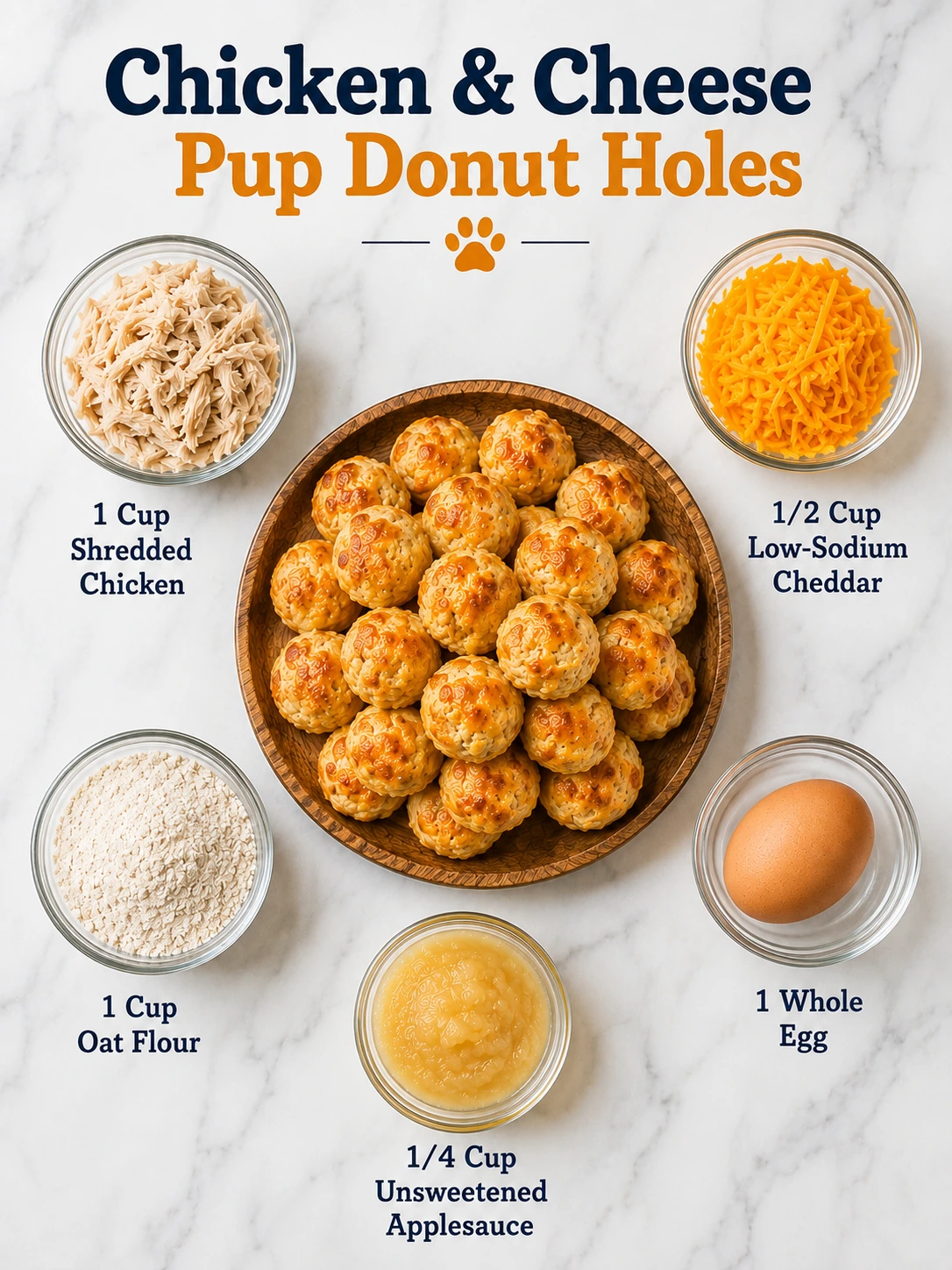
Ingredients List:
• 1 Cup Boneless Skinless Chicken Breast (cooked and finely shredded)
• 1/2 Cup Low-Sodium Shredded Cheddar Cheese
• 1 Cup Whole Oat Flour
• 1 Large Egg (beaten)
• 1/4 Cup Unsweetened Plain Applesauce
Step-by-Step Directions:
1. Preheat Oven and Prepare Sheet
Preheat your oven to 350 degrees Fahrenheit (175 degrees Celsius). Line a baking sheet with parchment paper or a non-stick silicone baking mat and set aside.
2. Blend Savory Base Ingredients
In a spacious mixing bowl, combine the finely shredded cooked chicken breast, low-sodium cheddar cheese, beaten egg, and unsweetened applesauce. Stir thoroughly with a wooden spoon or spatula until all ingredients are evenly distributed.
3. Gradually Add Oat Flour
Slowly pour the oat flour into the wet mixture, stirring continuously. Knead gently with your hands near the end to form a pliable, non-sticky dough ball. If the dough feels too wet, add an extra tablespoon of oat flour.
4. Roll into Donut Holes
Scoop out tablespoon-sized portions of dough. Roll them firmly between the palms of your hands to form smooth 1-inch spherical donut holes. Place each ball onto the prepared parchment baking sheet, leaving half an inch of space between each treat.
5. Bake to Golden Finish
Place the baking sheet on the middle rack of your oven and bake for 18 to 20 minutes. The pup donut holes should feel firm on the outside and show a light golden color along the bottoms.
6. Cool Completely
Remove the treats from the oven and transfer them immediately to a wire cooling rack. Allow them to cool down completely to room temperature before offering one to your dog.
6. Dietary Customizations & Allergy Substitutions
Every dog is an individual with specific dietary preferences and health considerations. Here are expert modifications to suit special canine needs:
• Pancreatitis or Low-Fat Needs: Substitute cheddar cheese with low-fat cottage cheese or skim ricotta, and ensure strictly lean chicken breast is used.
• Grain-Free / Grain Sensitivity: Replace oat flour with coconut flour or chickpea flour. Note that coconut flour absorbs significantly more moisture, so reduce the amount by half or add an extra tablespoon of applesauce.
• Novel Protein Option: If your dog has a chicken allergy, replace chicken breast with cooked lean turkey breast, ground bison, or wild-caught canned salmon packed in water without added salt.
• Extra Crunchy Texture: Increase baking time by 5 minutes and leave the treats inside the turned-off oven for an additional 20 minutes with the door cracked open to dehydrate the interior further.
7. Dog Weight & Breed-Specific Daily Portion Guide
Maintaining correct portion sizes ensures your pup receives healthy nutrition without unwanted weight gain. Follow these daily maximum serving recommendations based on dog weight:
1. Toy Dogs (Under 10 lbs):
• Portion: 1/2 donut hole per day.
• Caloric context: Ideal for small breeds like Chihuahuas or Pomeranians whose daily caloric needs are low.
2. Small Dogs (10 to 25 lbs):
• Portion: 1 donut hole per day.
• Caloric context: Perfect for French Bulldogs, Dachshunds, or Beagles.
3. Medium Dogs (25 to 50 lbs):
• Portion: 1 to 2 donut holes per day.
• Caloric context: Great for Australian Shepherds, Cocker Spaniels, or Border Collies.
4. Large Dogs (50 to 85 lbs):
• Portion: 2 to 3 donut holes per day.
• Caloric context: Fits Golden Retrievers, Labradors, or German Shepherds.
5. Giant Dogs (Over 85 lbs):
• Portion: 3 to 4 donut holes per day.
• Caloric context: Suitable for Great Danes, Mastiffs, or St. Bernards.
8. Optimal Storage, Freezing & Shelf-Life Maximization
Because these homemade treats contain no chemical preservatives, proper storage techniques are required to keep them fresh, crisp, and safe:
• Refrigeration Protocol: Place cooled donut holes in an airtight glass container lined with a dry paper towel to absorb ambient humidity. Store in the main body of the refrigerator for up to 7 days.
• Freezing Masterclass: To store long term, place donut holes in a single layer on a parchment-lined tray and freeze for 1 hour. Once solid, transfer them to a heavy-duty freezer bag. Freeze for up to 3 months. Thaw individual treats at room temperature for 15 minutes before serving.
• Shelf Stability Warning: Do not leave baked pup donut holes sitting on counter space at room temperature for more than 24 hours, as moisture from the real chicken and cheese can encourage mold growth.
9. Frequently Asked Questions (FAQ)
Q1: Can puppies eat Chicken and Cheese Pup Donut Holes?
Yes, puppies over 12 weeks of age can enjoy these treats in moderation, provided they have been fully weaned onto solid foods. Cut the donut hole into small, bite-sized pieces to prevent choking.
Q2: Can I use store-bought rotisserie chicken for this recipe?
It is strongly advised to avoid commercial rotisserie chicken because it is heavily seasoned with salt, garlic, onion powder, and high levels of fat. Always use plain, home-boiled or baked chicken breast.
Q3: Can my diabetic dog eat these pup donut holes?
These treats are low in simple sugars and high in protein and complex oat fiber, making them a suitable option for many diabetic dogs. However, always verify with your veterinarian before introducing new foods into a diabetic management plan.
Q4: What if my dog is lactose intolerant?
Most adult dogs can tolerate low-sodium cheddar cheese in small amounts because cheddar contains very low lactose compared to milk. However, if your dog is highly sensitive, replace the cheese with plain nutritional yeast or extra lean chicken broth.
Q5: How do I know when the donut holes are fully baked?
They should feel firm to the touch when gently pressed, and the bottoms will take on a soft golden shade. They should not feel soft or doughy in the middle.
Q6: Can I fry these donut holes instead of baking them?
No. Frying adds unnecessary oils and fats that can cause gastrointestinal distress or trigger acute pancreatitis in dogs. Always stick to baking.
Q7: Can I air-fry these dog treats?
Yes! Air-fry at 320 degrees Fahrenheit (160 degrees Celsius) for approximately 10 to 12 minutes, shaking the basket halfway through cooking.
Q8: My dough is crumbling and won’t hold shape, how do I fix it?
Add warm water or plain low-sodium chicken broth one teaspoon at a time until the dough binds together smoothly.
Q9: Can human family members eat these pup donut holes?
Technically yes, all ingredients used are human-grade! However, because there are no added sugars, salt, or spices, humans might find them quite bland compared to human donuts.
10. Conclusion & Final Pet Parenting Takeaways
Baking Chicken and Cheese Pup Donut Holes at home is a rewarding way to express love for your canine companion while guaranteeing they receive nutrient-dense, clean food. With lean chicken, bone-building calcium, and gut-healthy oats packed into every savory bite, you can feel confident knowing you are fueling your pet with veterinary-approved ingredients. Bake a fresh batch this weekend, store them properly, and enjoy watching your happy pup perform their best tricks for these golden, savory delights.

Chicken & Cheese Pup Donut Holes
Ingredients
1. **1 cup (cooked & finely shredded)** Boneless Skinless Chicken Breast — *(Plain boiled or baked without oil, salt, garlic, or onion seasonings.)* — 🐾 *Benefit: High-quality lean protein that supports muscle repair, energy, and overall canine vitality.*
2. **1/2 cup** Low-Sodium Shredded Cheddar Cheese — *(Choose low-sodium or reduced-fat cheddar cheese to ensure easy digestion.)* — 🐾 *Benefit: Provides calcium, essential fatty acids, and irresistible flavor for motivation.*
3. **1 cup** Whole Oat Flour — *(Can make easily by blending plain rolled oats into a fine powder.)* — 🐾 *Benefit: Soluble fiber rich in B vitamins that promotes smooth digestion and stable blood sugar.*
4. **1 whole egg** Large Egg — *(Lightly beaten to bind the donut hole dough smoothly.)* — 🐾 *Benefit: Complete protein source packed with amino acids, essential fatty acids, and lutein.*
5. **1/4 cup** Unsweetened Plain Applesauce — *(Ensure 100% pure applesauce without added sugar, spices, or xylitol.)* — 🐾 *Benefit: Adds natural moisture, vitamin C, and gentle dietary fiber without excess sugar.*
Instructions
Step 1: Oven & Sheet Preparation
Preheat your oven to 350°F (175°C). Line a large baking sheet with parchment paper or a non-stick silicone baking mat.
> 💡 **Pro Tip:** Using parchment paper prevents sticking without needing added oils or butter.
Step 2: Combine Wet & Dry Ingredients
In a large mixing bowl, combine the finely shredded cooked chicken, shredded low-sodium cheddar cheese, beaten egg, and unsweetened applesauce. Stir until well blended.
> 💡 **Pro Tip:** Finely shredding or pulsing the chicken in a food processor ensures smooth donut hole shaping.
Step 3: Incorporate Oat Flour
Gradually add the oat flour into the wet mixture, stirring continuously until a firm, cohesive, workable dough forms.
> 💡 **Pro Tip:** If the dough feels too sticky to roll, add 1-2 additional tablespoons of oat flour.
Step 4: Shape the Pup Donut Holes
Scoop out tablespoon-sized portions of dough and roll them firmly between your palms to create smooth 1-inch spherical donut holes. Place them evenly on the prepared baking sheet.
> 💡 **Pro Tip:** Slightly wet your hands with cold water to prevent dough from sticking to your fingers.
Step 5: Bake to Golden Perfection
Bake in the preheated oven for 18 to 20 minutes until the bottoms are golden brown and the donut holes are firm to the touch.
> 💡 **Pro Tip:** Allow the treats to cool completely on a wire rack before serving to your dog.
Daily Weight & Breed Portion Guidelines
– **Toy & Small Dogs (< 20 lbs):** 1/2 to 1 donut hole daily (under 20 lbs)
– **Medium Dogs (20 – 50 lbs):** 1 to 2 donut holes daily (20 – 50 lbs)
– **Large & Giant Dogs (50+ lbs):** 2 to 3 donut holes daily (50+ lbs)
– 🩺 *Veterinary Note: Treats should never exceed 10% of your dog’s total daily caloric intake. Consult your veterinarian before introducing new high-protein treats.*
Storage & Shelf-Life
– **Refrigerator:** Store baked pup donut holes in an airtight glass container lined with a paper towel in the refrigerator for up to 7 days.
– **Freezer:** Freeze in a single layer on a baking tray before transferring to a freezer-safe bag for up to 3 months.
– **Shelf-Life:** Best consumed within 7 days refrigerated or 90 days frozen.