Carrot and Cheese Pup Cheesecake Cups represent the ultimate intersection of culinary creativity and canine nutritional science for devoted pet parents everywhere. When you embark on the journey of making homemade dog treats, you take absolute control over every single ingredient entering your furry family member’s body. Commercial dog biscuits often contain mystery meats, chemical preservatives, excessive sodium, and low-grade fillers that fail to support vibrant canine health. In stark contrast, crafting homemade Carrot and Cheese Pup Cheesecake Cups allows you to utilize whole-food, human-grade ingredients that nourish your dog from the inside out while delivering an explosion of irresistible taste and texture. Imagine the sheer delight in your dog’s eyes as you pull a chilled, beautifully layered orange-and-white gourmet treat from the refrigerator. This recipe is specifically formulated to provide a balanced, highly digestible, and visually stunning snack that satisfies your dog’s natural craving for savory flavors while providing targeted vitamins, minerals, and probiotics.
1. Introduction: The Homemade Dog Treat Revolution
The homemade dog treat revolution has transformed how modern pet parents approach canine nutrition, and Carrot and Cheese Pup Cheesecake Cups are leading the way in wholesome indulgence. For decades, commercial pet food aisles have been dominated by shelf-stable products laden with artificial colors, synthetic binders, and chemical humectants designed to extend shelf life rather than promote longevity. Today’s conscious pet owners recognize that true canine wellness begins in the home kitchen. By selecting pristine, whole-food ingredients like fresh carrots, live-culture Greek yogurt, and wholesome oat flour, you eliminate common dietary allergens and chemical irritants. Carrot and Cheese Pup Cheesecake Cups offer a wonderful sensory experience for your dog, combining the velvety creaminess of yogurt with the natural sweetness of steamed carrots and the savory punch of low-sodium cheese. Whether you are celebrating a Gotcha Day, rewarding training milestones, or simply pampering your four-legged companion on a lazy Sunday afternoon, these homemade cheesecake cups deliver unmatched freshness and nutritional integrity.
2. In-Depth Canine Nutritional Science Breakdown
Understanding the nutritional science behind each component of Carrot and Cheese Pup Cheesecake Cups empowers you to feed with confidence and purpose. Every single ingredient in this recipe has been carefully selected by veterinary nutrition principles to support specific physiological systems in the canine body.
Fresh Carrots as Nutritional Powerhouses:
Carrots are legendary in human nutrition, and their benefits translate exceptionally well to our canine companions. Rich in beta-carotene—a powerful antioxidant precursor to Vitamin A—carrots actively support healthy ocular function, sharp night vision, and optimal retinal health in dogs. Furthermore, carrots contain soluble and insoluble dietary fibers that promote firm stools, regulate gut motility, and feed beneficial microflora within the canine gastrointestinal tract. The natural sweetness of carrots makes them intensely appealing to dogs without requiring any added sugars or sweeteners.
Plain Greek Yogurt for Gut Health and Protein:
Plain Greek yogurt is a phenomenal addition to homemade dog treats when selected carefully to ensure zero xylitol content. Unlike standard milk, authentic Greek yogurt undergoes a straining process that removes the vast majority of lactose, making it significantly easier for dogs to digest. The live and active bacterial cultures present in plain Greek yogurt act as natural probiotics, populating the canine gut with beneficial microorganisms that strengthen immune defenses, enhance nutrient absorption, and reduce systemic inflammation. Additionally, Greek yogurt provides a rich source of bioavailable protein and calcium, supporting lean muscle maintenance and robust bone density.
Low-Sodium Cheese for Palatability and Minerals:
Cheese is universally adored by dogs, serving as a high-value motivator during obedience training. In this recipe, a measured amount of low-sodium cheddar cheese provides essential fatty acids, amino acids, and minerals such as zinc and phosphorus. By strictly utilizing low-sodium varieties, we protect your dog’s cardiovascular system and prevent excessive sodium retention, allowing your pup to enjoy the rich, savory flavor safely.
Oat Flour and Coconut Oil for Energy and Coat Shine:
Oat flour serves as a gentle, gluten-free complex carbohydrate source that provides sustained, even energy without triggering wheat-related sensitivities common in some breeds. Paired with unrefined virgin coconut oil, which supplies medium-chain triglycerides (MCTs), this recipe supports cognitive function, promotes skin hydration, and imparts a lustrous, high-gloss shine to your dog’s coat.
3. Veterinarian Safety Standards & Critical Ingredient Checklist
When preparing any homemade meal or treat for your canine companion, adherence to rigorous veterinary safety standards is non-negotiable. The number one golden rule of canine culinary safety is the absolute prohibition of Xylitol, a common sugar substitute found in human peanut butters, yogurts, and baked goods. Xylitol causes a rapid, life-threatening insulin surge in dogs, leading to severe hypoglycemia and acute hepatic necrosis. Always inspect every product label meticulously to guarantee zero artificial sweeteners are present.
Furthermore, pet parents must remain vigilant regarding dairy tolerances. While plain Greek yogurt and aged low-sodium cheeses are generally well-tolerated due to low lactose levels, dogs with severe dairy allergies should avoid cheese entirely, substituting it with nutritional yeast for a cheesy flavor profile. Adhering strictly to the Ten Percent Caloric Rule—which dictates that all treats combined must never exceed ten percent of your dog’s total daily caloric intake—ensures that your dog maintains an ideal body condition score without nutritional imbalances.
4. Kitchen Equipment & Meal Prep Essentials
Efficiency and hygiene in the kitchen make preparing Carrot and Cheese Pup Cheesecake Cups an absolute breeze. Having the right tools on hand ensures professional results every single time.
Essential Equipment Checklist:
• High-speed blender or food processor for achieving a perfectly smooth carrot puree.
• Mini silicone muffin molds or silicone paw-shaped treat trays for effortless removal of the chilled cheesecakes.
• Mixing bowls and a wire whisk for blending the yogurt and cheese layer.
• Spatula and small spoons or pastry piping bags for clean layering.
• Airtight glass storage containers for refrigerator preservation.
Batch preparation is an incredible time-saver. By doubling or tripling the recipe, you can fill multiple silicone trays, chill or freeze them in bulk, and have a ready supply of gourmet dog treats on hand for weeks to come.
5. Complete Master Recipe: Ingredients & Step-by-Step Directions
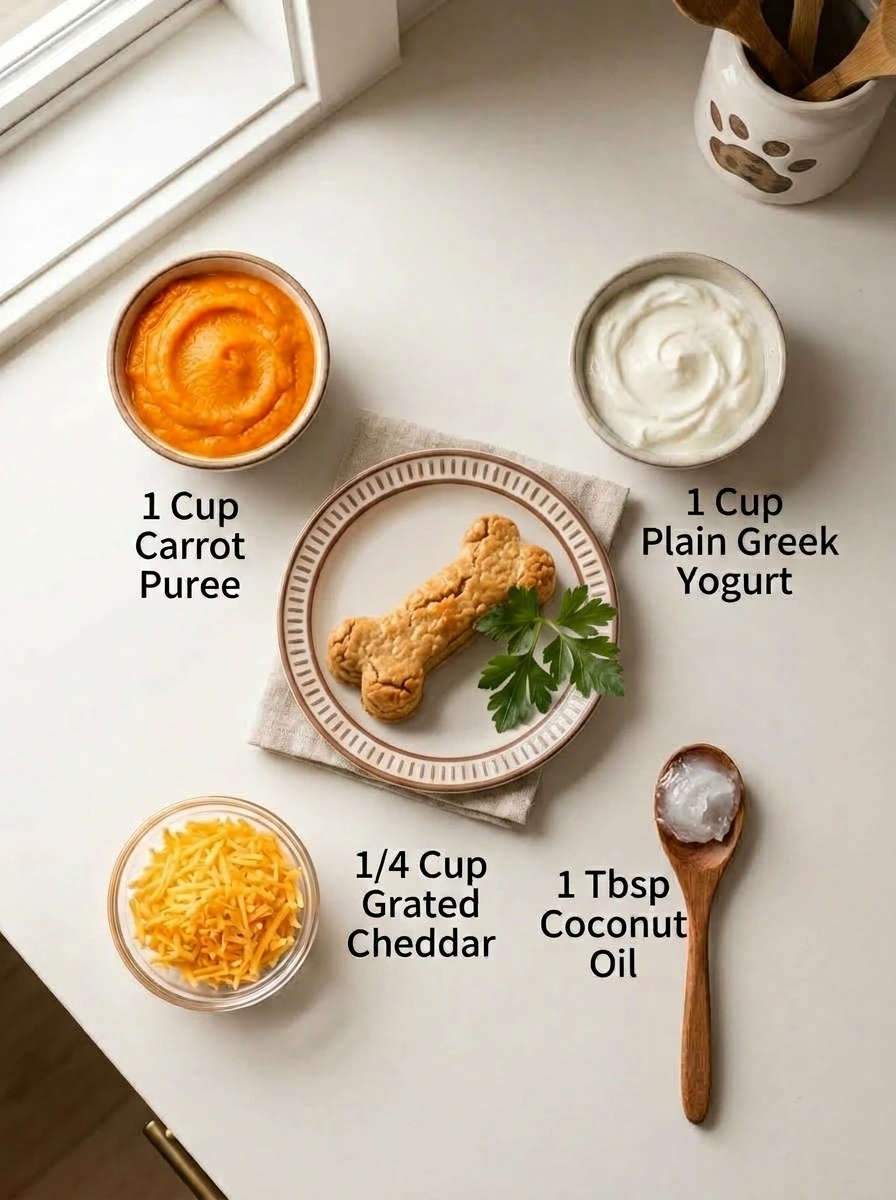
Carrot and Cheese Pup Cheesecake Cups
Ingredients List:
• 1 cup fresh carrots, peeled and steamed until fork-tender (rich in beta-carotene for eye health)
• 1 cup plain Greek yogurt, unsweetened, 0% fat, 100% xylitol-free (provides probiotics for gut health)
• 1/4 cup low-sodium cheddar cheese, finely grated (delivers calcium and high-value flavor)
• 1 tablespoon organic virgin coconut oil, melted (supports skin hydration and coat shine)
• 1/2 cup oat flour (gentle, digestible complex carbohydrate source)
Step-by-Step Directions:
1. Steam or boil the peeled carrot pieces in plain water until completely soft. Drain thoroughly and blend in a food processor until silky smooth.
2. In a mixing bowl, combine the oat flour and melted coconut oil until a crumbly crust mixture forms.
3. Press one tablespoon of the crust mixture firmly into the bottom of each cavity in a mini silicone mold tray.
4. Whisk together the plain Greek yogurt and grated low-sodium cheddar cheese in a separate bowl.
5. Spoon or pipe the yogurt and cheese mixture evenly over the crust layer in each mold.
6. Top each mold with the smooth orange carrot puree, filling to the rim to create distinct layers.
7. Chill in the refrigerator for 2 hours until fully set, then pop out and serve to your happy dog.
6. Dietary Customizations & Allergy Substitutions
Every dog is a unique individual with distinct dietary requirements, sensitivities, and nutritional needs. Fortunately, Carrot and Cheese Pup Cheesecake Cups are remarkably versatile and easily customized. If your dog suffers from a diagnosed wheat or grain sensitivity, simply substitute the oat flour with finely ground chickpea flour, coconut flour, or certified gluten-free oat flour. For dogs requiring a strictly low-fat diet due to a history of pancreatitis or sensitive gallbladders, you can omit the coconut oil and cheese entirely, replacing the cheese with a sprinkle of savory nutritional yeast and utilizing non-fat plain Greek yogurt. If your dog is entirely dairy-free, substitute the Greek yogurt with thick, unsweetened plain coconut yogurt or blended soaked cashews, and use plant-based canine cheese alternatives. Customizing treats to match your dog’s veterinary profile ensures that no pup ever misses out on the joy of homemade culinary bonding.
7. Dog Weight & Breed-Specific Daily Portion Guide
Proper portion control is essential for maintaining your dog’s ideal weight, joint health, and metabolic wellness. Because Carrot and Cheese Pup Cheesecake Cups are nutrient-dense, feeding amounts must be scaled appropriately based on your dog’s body weight and metabolic rate.
Toy and Small Dogs (Under 25 lbs):
For Chihuahuas, Pomeranians, Yorkies, and French Bulldogs, feed 1/2 to 1 mini cheesecake cup per day. Because their caloric requirements are modest, dividing a single cup into smaller bites makes training sessions extra rewarding.
Medium Dogs (25 to 55 lbs):
For Beagles, Cocker Spaniels, Border Collies, and Medium Golden Retrievers, feed 1 to 2 mini cheesecake cups per day as an afternoon snack or post-walk reward.
Large and Giant Dogs (55 to 85+ lbs):
For Labrador Retrievers, German Shepherds, Great Danes, and large Golden Retrievers, feed 2 to 3 mini cheesecake cups per day to match their larger caloric expenditure without disrupting their primary kibble nutrition.
8. Optimal Storage, Freezing & Shelf-Life Maximization
Maximizing the shelf life of your homemade Carrot and Cheese Pup Cheesecake Cups ensures zero food waste and convenient daily treating. Because these treats contain fresh dairy and vegetable purees without chemical preservatives, proper refrigeration and freezing protocols are essential.
Refrigerator Storage Protocol:
Store your finished cheesecake cups in an airtight glass container lined with a paper towel to absorb any excess moisture. Kept in the coldest part of your refrigerator, these treats will maintain peak freshness, vibrant color, and firm texture for 4 to 5 days.
Freezer Storage Masterclass:
To store treats for extended periods, place your filled silicone mold tray directly into the freezer for 3 hours until solid. Pop the frozen cheesecake cups out of the molds and transfer them into a heavy-duty freezer-safe silicone bag or vacuum-sealed container. Label the container with the date. Frozen pup cheesecakes will retain their nutritional integrity and flavor for up to 2 months. To serve, simply thaw an individual cup in the refrigerator for 20 minutes before offering it to your dog.
9. Frequently Asked Questions (FAQ)
Can puppies eat Carrot and Cheese Pup Cheesecake Cups?
Yes! Puppies over the age of 12 weeks can enjoy these cheesecake cups in moderation, provided they are transitioning well to solid foods. The gentle ingredients make them exceptionally easy on developing puppy digestive tracts.
Can diabetic dogs eat these treats?
Carrots contain natural sugars, so dogs with diabetes should have their carbohydrate intake closely monitored. Consult your veterinarian before introducing carrots or any new treats to a diabetic dog’s meal plan.
What if my dog is lactose intolerant?
If your dog experiences digestive upset from dairy, you can easily substitute the Greek yogurt with plain, unsweetened coconut yogurt and omit the cheese, using nutritional yeast for a cheesy flavor.
Why did my crust crumble apart?
If the oat flour and coconut oil mixture is too dry, add a few drops of warm water until it binds together easily when pressed between your fingers.
Can I use canned pumpkin instead of carrots?
Absolutely! While this recipe features carrots, pure canned pumpkin puree (never pumpkin pie mix) makes a fantastic vitamin-rich substitute.
How do I get the layers so neat?
Using a piping bag or a Ziploc bag with the corner snipped off gives you precise control when depositing the yogurt and carrot layers into your silicone molds.
Are raw carrots better than cooked carrots for this recipe?
Cooked and pureed carrots are essential for this recipe because they blend into a silky smooth texture and are much easier for dogs to digest than raw carrot chunks.
Can I bake these instead of chilling them?
This specific recipe is designed as a chilled, no-bake icebox cheesecake cup to preserve the delicate live probiotics in the Greek yogurt.
10. Conclusion & Final Pet Parenting Takeaways
Preparing homemade treats like Carrot and Cheese Pup Cheesecake Cups is one of the most rewarding ways to express your love and dedication to your canine companion. By taking control of the ingredients, eliminating chemical additives, and focusing on wholesome whole-food nutrition, you actively invest in your dog’s long-term health, vitality, and happiness. The joyful tail wags and eager anticipation you will witness are worth every minute spent in the kitchen. Embrace the culinary journey of pet parenting, experiment with wholesome ingredients, and cherish every single moment of bonding over delicious, healthy homemade treats with your beloved dog.
Print
Carrot and Cheese Pup Cheesecake Cups
Ingredients
1. **1 cup (peeled and thoroughly cooked until tender)** Fresh carrots — *(Ensure carrots are fully cooked and mashed or pureed completely smooth without added salt.)* — 🐾 *Benefit: Rich in beta-carotene, Vitamin A, and dietary fiber for vision and skin health.*
2. **1 cup (plain, unsweetened, 0% fat, 100% xylitol-free)** Plain Greek yogurt — *(Must be completely free of artificial sweeteners, xylitol, and flavorings.)* — 🐾 *Benefit: Provides high-quality protein and beneficial probiotics to support gut microbiome balance.*
3. **1/4 cup (finely grated)** Low-sodium cheddar cheese — *(Choose low-sodium, low-fat varieties to prevent excessive salt and fat intake.)* — 🐾 *Benefit: Offers palatable calcium and protein for dental and bone maintenance in moderation.*
4. **1 tablespoon (melted)** Organic coconut oil — *(Use unrefined virgin organic coconut oil.)* — 🐾 *Benefit: Supports a glossy coat, healthy skin, and provides medium-chain triglycerides for steady energy.*
5. **1/2 cup** Oat flour — *(Can substitute with chickpea flour for grain-free requirements.)* — 🐾 *Benefit: Gentle, easily digestible whole grain providing complex carbohydrates and B-vitamins.*
Instructions
Step 1: Prepare and Puree the Carrots
Peel fresh carrots, chop them into uniform rounds, and steam or boil them in plain water until completely fork-tender. Drain any excess water thoroughly. Transfer the cooked carrots to a food processor or blender and blend until a silky, smooth orange puree forms. Let cool to room temperature.
> 💡 **Pro Tip:** Never add salt, butter, or seasonings to the boiling water when cooking the carrots.
Step 2: Mix the Crust Base
In a mixing bowl, combine the oat flour and melted coconut oil. Stir until a crumbly, sand-like texture is achieved. Press approximately one tablespoon of the crust mixture firmly into the bottom of each cavity in a mini silicone muffin mold.
> 💡 **Pro Tip:** Pressing the crust down firmly with the back of a small spoon ensures the base holds together once chilled.
Step 3: Create the Yogurt and Cheese Layer
In a clean bowl, whisk together the plain Greek yogurt and the finely grated low-sodium cheddar cheese until evenly distributed. Gently spoon or pipe this creamy white mixture directly on top of the oat flour crust in each silicone mold, filling each cavity halfway.
> 💡 **Pro Tip:** Using a small piping bag or Ziploc bag with the corner snipped off makes filling the mini molds clean and precise.
Step 4: Add the Carrot Puree Layer
Spoon or pipe the smooth orange carrot puree directly over the yogurt and cheese layer, filling the silicone cups to the brim to achieve a distinct two-tone layered cheesecake appearance. Smooth the tops with a spatula.
> 💡 **Pro Tip:** Tap the silicone tray gently on your kitchen counter a few times to release any trapped air bubbles and level out the top layer.
Step 5: Chill and Set
Place the silicone mold tray flat into the refrigerator and chill for at least 2 hours, or until the cheesecake cups are fully set and firm to the touch. Once chilled, gently pop each cup out of the silicone mold and serve to your eager pup.
> 💡 **Pro Tip:** For a firmer, ice-cream-like treat during hot summer days, place the filled silicone molds in the freezer for 45 minutes instead of the refrigerator.