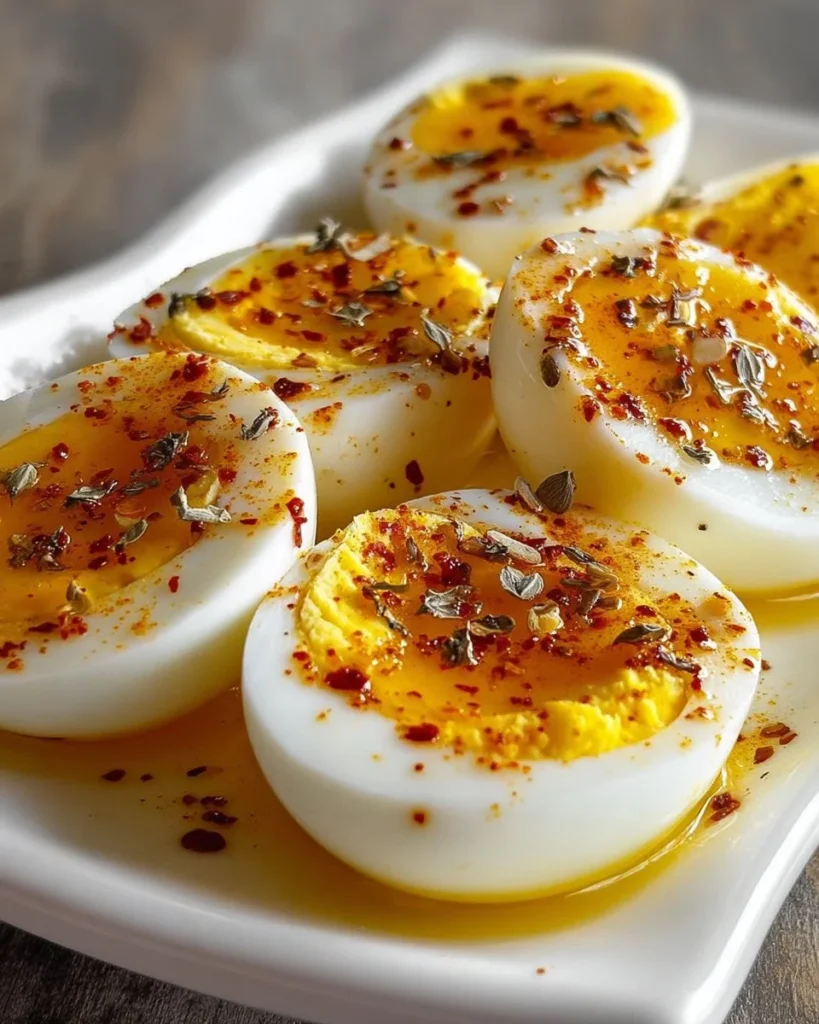
As you step into your kitchen, the rich aromas of tangy vinegar and fragrant spices fill the air, inviting you to create something extraordinary. The transformation of simple ingredients into a culinary treasure takes on a magical allure, especially when it comes to preparing classic pickled eggs. Just imagine the moment you crack open a jar, and the enticing scent beautifully intertwines with an irresistible promise of flavor. You pop one into your mouth; the firm, slightly yielding texture contrasts exquisitely with the lively, zesty brine, awakening your taste buds with every delicious bite. These vibrant morsels not only tantalize your palate but also evoke nostalgia, transporting you to warm gatherings with family and friends.
Classic pickled eggs are not just a treat for the senses but also a wonderful way to preserve the humble egg, transforming it into a snack or appetizer that dazzles at any occasion. The joyful crunch from the spices and the soothing creaminess of the yolk create a divine experience that pairs well with a variety of meals or stands alone as a delightfully tangy snack. Whether you’re preparing for a casual picnic or a festive holiday gathering, the vibrant colors and flavors of these pickled eggs ensure they capture attention and spark conversations.
Why You’ll Love This Classic Pickled Eggs
Classic pickled eggs deserve a cherished spot in your culinary repertoire for more reasons than one. The rich, savory flavor pairs beautifully with a wide array of dishes, making them incredibly versatile. Not only do they offer a punch of taste, but they also provide a unique texture that can elevate your charcuterie boards, salads, or breakfast spreads. The balance of saltiness from the brine, combined with the subtle sweetness and the aromatic spice blend, creates a mouthwatering harmony that simply begs to be savored.
These pickled eggs shine during any gathering, making them a conversation starter and an attractive centerpiece on any table. They are also an exceptional way to embrace sustainable cooking by reducing food waste—using leftover eggs from brunch or special occasions. Not to mention, they boast a delightful shelf life, allowing you to prepare them well in advance, making them a go-to for spontaneous get-togethers or meal prep for a busy week ahead.
Preparation Phase & Tools to Use
To embark on your pickled egg journey, having the right tools makes the experience seamless and enjoyable. Here’s what you’ll need:
- A Medium Saucepan: This essential tool ensures you can cook the brine without any mess. Choose one with a sturdy handle for safe pouring.
- A Clean Jar with a Tight-Fitting Lid: A glass jar, large enough to hold the eggs and brine, allows you to showcase the beautiful colors while keeping everything secure.
- A Slotted Spoon: This handy tool aids in transferring the eggs into the brine while minimizing mess.
- A Measuring Cup: For accuracy, it helps measure out liquids, ensuring that your brine is perfectly balanced.
As you prepare, remember that a clean work environment fosters both safety and joy in the cooking process. Ensure your eggs are hard-boiled and completely cooled before peeling, as this prevents breakage during handling. Have fun with the spices!
Ingredients for Classic Pickled Eggs
- 6 Hard-Boiled Eggs: Fresh eggs are crucial for this recipe. Ensure they are cooked perfectly, with firm whites and creamy yolks.
- 1 Cup Vinegar (white or apple cider): The vinegar brings the tanginess. While white vinegar offers a cleaner taste, apple cider vinegar lends a fruity note—choose according to your preference.
- 1 Cup Water: Water balances the strong acidity of the vinegar, ensuring the brine isn’t overwhelming.
- 1 Tablespoon Salt: Salt enhances the flavors and plays an integral role in the pickling process.
- 1 Tablespoon Sugar: A hint of sweetness rounds out the brine, creating a perfect balance of flavors.
- 1 Teaspoon Mustard Seeds: Their subtle heat and slight crunch elevate the overall taste experience.
- 1 Teaspoon Black Peppercorns: These add dimension with mild floral notes and a gentle peppery bite.
- 1 Bay Leaf: This addition infuses the brine with aromatic complexity.
- 1 Garlic Clove (Optional): Adding garlic introduces robust flavor—customize to your liking.
- Red Pepper Flakes (Optional, to taste): For those who enjoy a bit of heat, this is your opportunity to kick things up a notch.
Feel free to experiment with different types of vinegar or spices; after all, pickling is an art that allows your personality to shine through!
How to Make Classic Pickled Eggs
- Gently peel the hard-boiled eggs under running water to remove any stubborn shells and place them into a clean jar.
- In a medium saucepan, combine vinegar, water, salt, sugar, mustard seeds, black peppercorns, bay leaf, and garlic (if desired). Stir the mixture well and bring it to a simmer over medium heat.
- Allow the brine to simmer gently, ensuring that the salt and sugar dissolve completely into the liquid—this usually takes about 5 minutes.
- Carefully pour the hot brine over the eggs in the jar, ensuring that they are fully submerged. Leave a small space at the top to allow for expansion.
- Allow the jar to cool at room temperature for about 30 minutes, then seal it with an airtight lid and store it in the refrigerator for at least 48 hours. Patience is key here; the longer they sit, the more robust the flavor becomes!
- After the waiting period, indulge in the delightful explosion of flavors. Enjoy your pickled eggs as a stand-alone snack, on salads, or even as a savory appetizer alongside your favorite dipping sauce.
Chef’s Notes & Helpful Tips
- Make-ahead Tips: Pickled eggs last up to 4 months in the refrigerator, making them perfect for meal prepping. Prepare multiple jars to have on hand for any occasion.
- Cooking Alternatives: If you prefer to bake your eggs, you can make hard-boiled eggs in the oven. Just place them in a muffin tin and bake at 325°F for 30 minutes, followed by an ice bath to cool.
- Customization Ideas: Experiment with spices—try adding dill, coriander, or even a splash of soy sauce for an Asian twist. You can also switch up the peppers to create varied levels of heat.
Common Mistakes to Avoid
- Under-seasoning: Ensure you add enough salt and sugar; they play vital roles in both taste and preservation. Tweak to your liking but avoid skimping entirely.
- Skipping the cooling step: Allowing the brine to cool prevents possible temperature shock to the eggs, which could crack them.
- Not waiting long enough: Rushing the fermentation can lead to bland eggs. The flavors deepen over time, so give them at least 48 hours in the fridge.
What to Serve With Classic Pickled Eggs
Elevate your culinary occasion by pairing your classic pickled eggs with these delightful companions:
- Charcuterie Board: Their vibrant color and taste provide a beautiful contrast to meats and cheeses.
- Salads: Slice them onto bedded greens to add texture and depth.
- Deviled Eggs: Use pickled eggs as a base for a tangy twist on this classic dish.
- Sandwiches: They can provide a crunchy layer in any sandwich, complementing richer meats perfectly.
- Crispy Crackers: Enjoy them atop savory crackers for a quick snack or appetizer.
- Beer: These tangy beauties pair excellently with a cold beer, making them a go-to for gatherings.
- Potato Salad: Chop them up and mix them into your favorite potato salad recipe for extra zing.
- Spicy Dipping Sauce: Serve with a side of tangy ranch or zesty hot sauce to add more flair.
Storage & Reheating Instructions
For the best quality, store your pickled eggs in the refrigerator, where they will stay fresh and flavorful for up to four months. Avoid freezing, as the texture can suffer in the process. Reheating isn’t necessary; simply enjoy them cold straight from the fridge or let them come to room temperature for the best experience.
Estimated Nutrition Information
These pickled eggs provide a nutritious snack, being rich in protein while relatively low in calories. However, as with all recipes, exact nutrition values can vary based on ingredients and portion sizes.
- Serving size: 1 Pickled Egg
- Calories: ~80
- Protein: ~7g
- Total Fat: ~5g (depends on added ingredients)
- Sodium: ~150mg
Disclaimer: These figures are approximations and should be verified with specific brands and measurements used.
FAQs
1. How long do pickled eggs last in the refrigerator?
Pickled eggs can last up to four months if stored in an airtight jar in the refrigerator. Always check for any signs of spoilage before consuming.
2. Can I use other types of vinegar?
Absolutely! While white and apple cider vinegar are common, you can experiment with red or white wine vinegar for a unique note.
3. Can I make pickled eggs without sugar?
Yes, although sugar balances out the vinegar’s acidity and enhances flavors. You can use alternative sweeteners or skip it altogether for a less sweet brine.
4. Are pickled eggs safe to eat if the yolk is not fully set?
It’s ideal to use eggs that are fully cooked to avoid any risk of foodborne illness. Look for hard-boiled eggs with fully set yolks.
5. Can pickled eggs be made vegan?
While traditional pickled eggs are inherently not vegan, you can experiment with pickling firm tofu or vegetables using the same brine recipe for a delightful alternative.
Conclusion
In the world of cooking, few things are more satisfying than creating something delightful with your own two hands. Classic pickled eggs embody this joy, transforming ordinary ingredients into a burst of flavor and vibrant color. The gratifying crunch, tangy punch, and rich history they carry ensure they’ll become a beloved staple in your kitchen. So why not embrace the art of pickling and put your spices to work? Your taste buds will thank you as you savor these delectable little bites of magic! Embrace the adventure, and happy cooking!